Alfa Romeo Giulia Buyer's Guide
Giulia is two entirely different cars sharing a name: the 1962–1978 Type 105 family (saloons and the beloved Bertone coupés) and the 2016-on Type 952 rear-drive sports saloon. All three of our sold results are classics, from £7,650 for a Berlina to £24,750 for a 1750 GTV, and the active listings show where the ceiling sits: a Giulia GT Veloce currently estimated at £80,000 to £90,000.
Know your generations
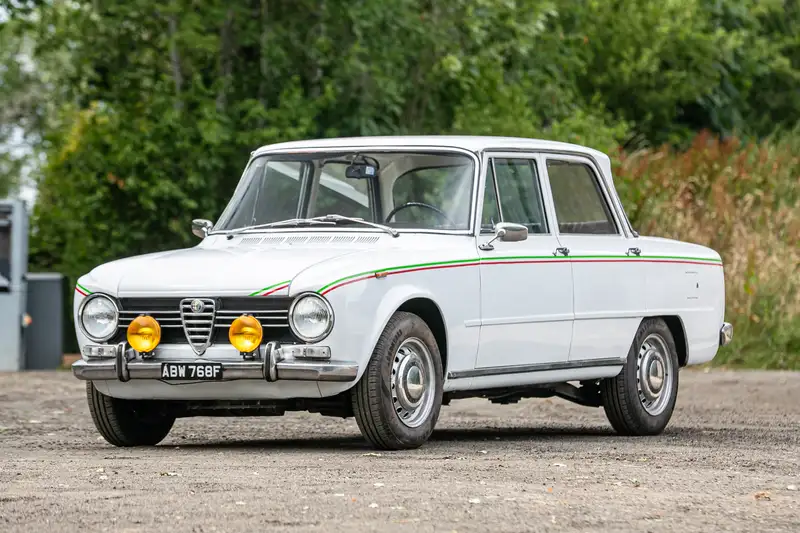
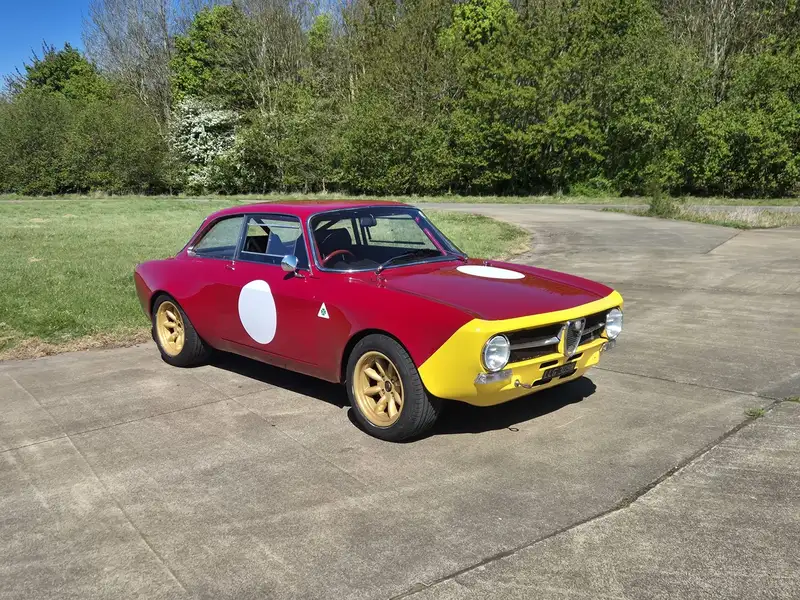
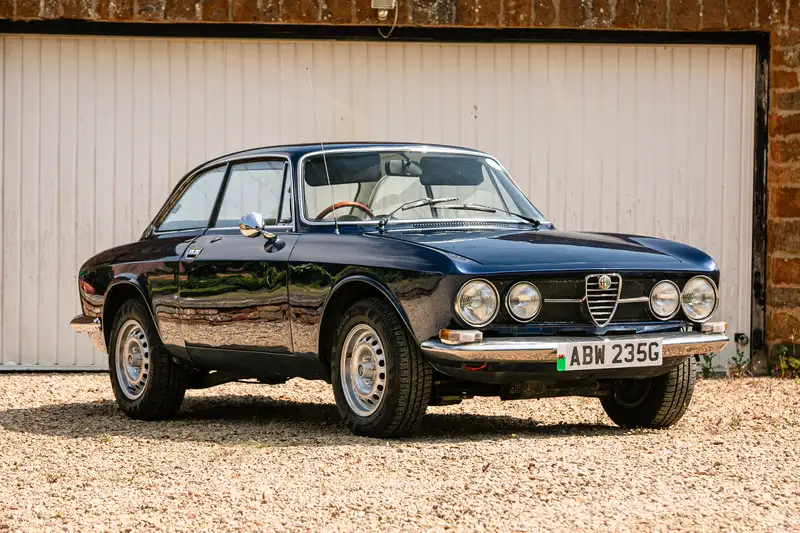
The Type 105 saloons ran from 1962: Giulia 1300, 1600 and the twin-carb Super, all with the all-alloy twin-cam four, five-speed gearbox and disc brakes when rivals had none of the three. The 105-series coupés (1965–1977) are the Giulia Sprint GT, GT Veloce, the 1750 and 2000 GTV, and the small-engined GT Junior; mechanically similar to the saloons, styled by Giugiaro at Bertone, and now worth multiples of them. Our results map cleanly: the 1969 1750 GTV Series 1 made £24,750 and a GTAM-homage GT Junior in competition specification made £23,625, while the 1968 Giulia 1300 Ti Berlina brought £7,650. The modern Type 952 (2016-on) spans 2.2 diesels, the 280bhp Veloce and the 510bhp Quadrifoglio; none has yet sold through our records, and at current used values only the Quadrifoglio is a plausible future classic.
What to pay
Three sold results: £7,650, £23,625 and £24,750, median £23,625. The pattern is the historic one: coupés in the mid twenties, saloons at a third of that. Active estimates widen the picture: two Giulia Sprint GTs are each estimated at £20,000 to £30,000, consistent with our coupé results, while the step-front GT Veloce at £80,000 to £90,000 shows what an early, correct, restored car commands. A sound Berlina around our £7,650 result remains the cheapest way into a genuine twin-cam 105.
What goes wrong
Rust decides everything on a 105. The critical areas are the sills (three-layer construction that rots from inside), floorpans, spare-wheel well, front crossmember and the base of the windscreen pillars; a shiny repaint over filler is the classic trap, so check panel gaps and inspect from below with a magnet. Mechanically the twin-cam is robust if the oil is changed: listen for timing-chain rattle and watch for smoke on the overrun (valve guides). Second-gear synchromesh wears on every 105 gearbox; a crunch on a fast downshift is normal wear, a crunch on every shift is a rebuild. Carburettor cars need the linkages and jetting set up properly; a fluffy idle is usually tune, not trouble. On the modern Type 952, the known items are electrical gremlins, upper control arms, and on Quadrifoglios the usual hard-use checks of carbon-ceramic disc condition where fitted.
Our view
The 105-series Giulia is one of the most complete classics of its era: parts supply is excellent, the club scene is strong, and the twin-cam will do big mileages if maintained. At our numbers the coupés around £23,625 to £24,750 are fair value against what restored Veloces are estimated at, but the quiet buy is the Berlina: £7,650 bought a characterful, usable twin-cam saloon with the same running gear as coupés worth three times more. Buy the best shell you can find and treat mechanical condition as secondary; everything bolts on, nothing welds on cheaply.