Aston Martin DB4 Buyer's Guide
The DB4 is where the David Brown Astons became the cars everyone pictures: Touring's Superleggera body, Tadek Marek's twin-cam straight six, and a top speed that embarrassed most of the period's exotica. Our records hold eight DB4 lots and not one sale: four saloons estimated between £300,000 and £460,000 went unsold, and three Vantage convertibles are estimated at £700,000–900,000. That is a market where sellers' expectations and bidders' money have not yet met.
Know your versions
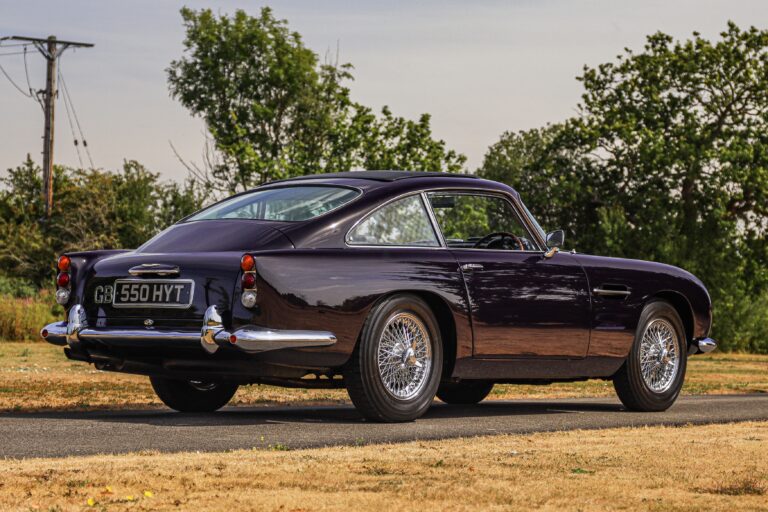
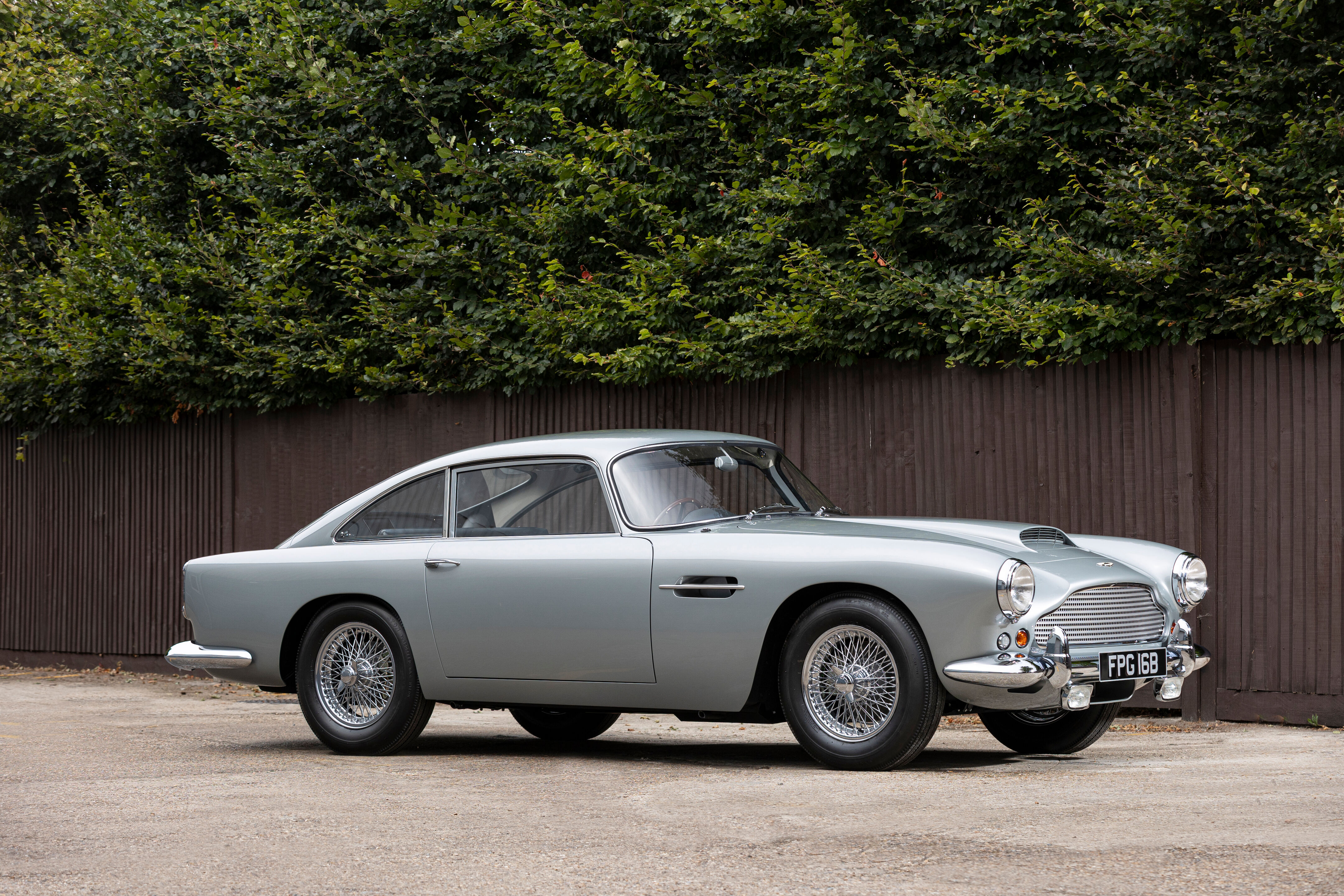
Built from 1958 to 1963 in five series, conventionally numbered I to V. Series I cars (1958–60) have the early front-hinged bonnet and frameless door glass; later series gained window frames, a rear-hinged bonnet, overdrive and, on Series IV and V, the cowled headlamps and DB5-like details. The 3.7-litre six gave 240bhp as standard; the Vantage specification (from 1961, often listed as "SS") added triple carburettors and around 266bhp. The convertible arrived in 1961 and around 70 were built, which explains its estimates. The DB4 GT (75 built, 19 of them bodied by Zagato) belongs to the international collector market and has its own entry in the catalogue.
What to pay
With no hammer prices yet, our evidence is estimates and outcomes. Saloons were estimated at £250,000–500,000, £300,000–350,000, £350,000–400,000 and £430,000–460,000, and the four that went under the hammer all failed to sell. Convertibles in Vantage specification are estimated at £700,000–900,000. Read that as a saloon market where the realistic number sits below the low estimates on recent evidence, and a convertible market priced on rarity. Series, specification (Vantage, overdrive, right-hand drive) and, above all, originality and restoration quality move a DB4 by six figures.
What goes wrong
The Superleggera construction is the purchase. Hand-formed aluminium panels sit over a steel tube frame and a steel platform chassis, and where aluminium meets steel, electrolytic corrosion eats the joints; the sills, floors and outriggers rust like any steel chassis of the period. Early engines were known for oil and bearing trouble at sustained high speed, and most have since been rebuilt to later specification, which the paperwork should show. Restoration quality varies enormously, so a specialist inspection and a history file that names who did the work are not optional at these prices.
Our view
The DB4 is the purer, rarer car that the DB5's fame overshadows, and the unsold lots in our data suggest patience pays: estimates have been set for the market of a few years ago. Buy a Vantage-specification later-series saloon with a documented specialist restoration, and let the convertibles and GTs be bought by people who already own one of each.