Bentley Turbo R Buyer's Guide
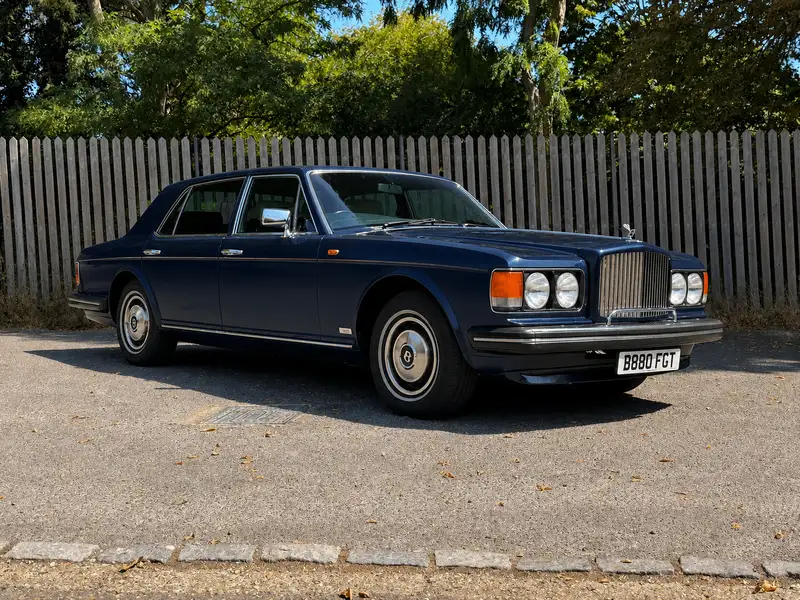
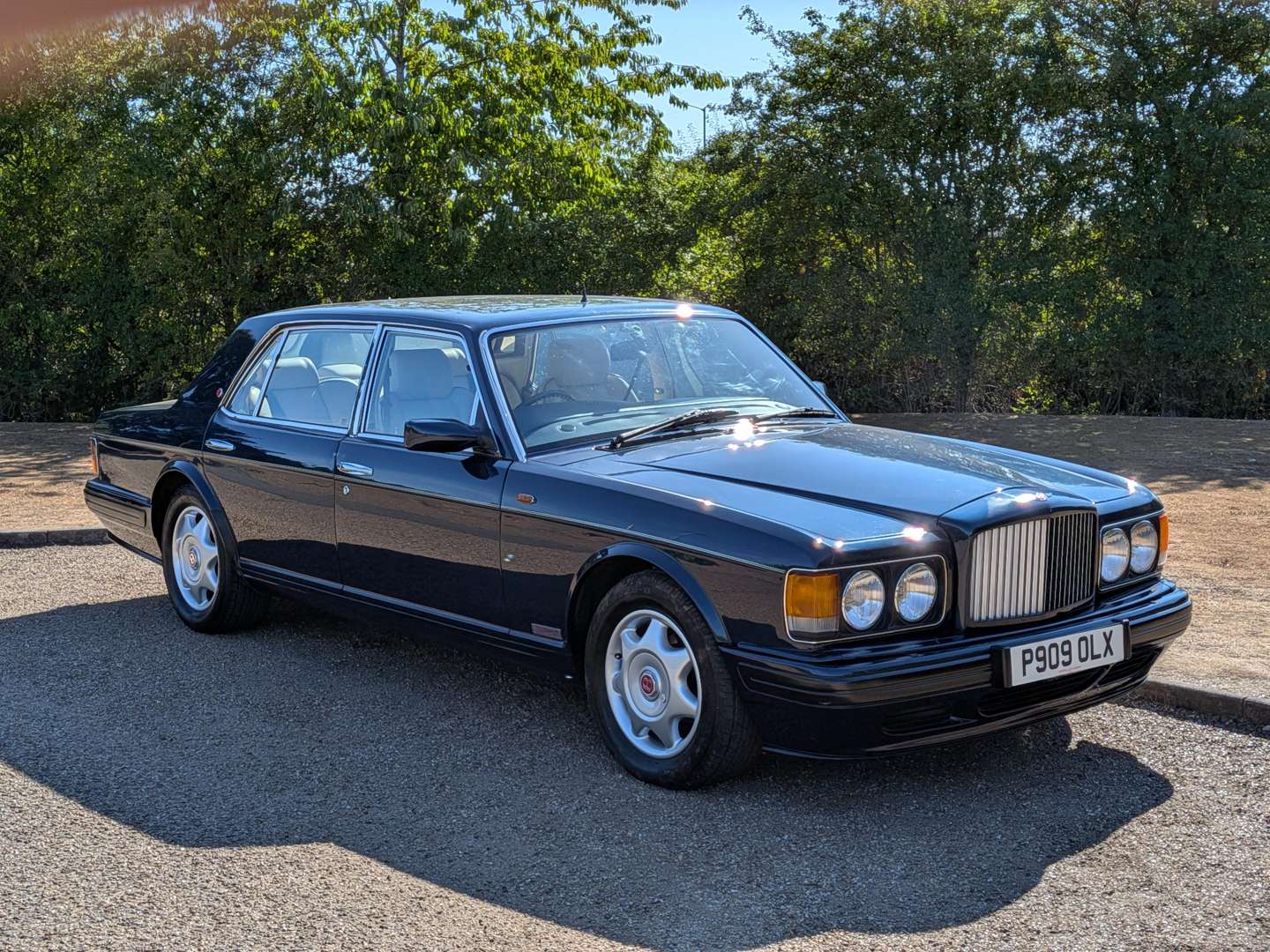
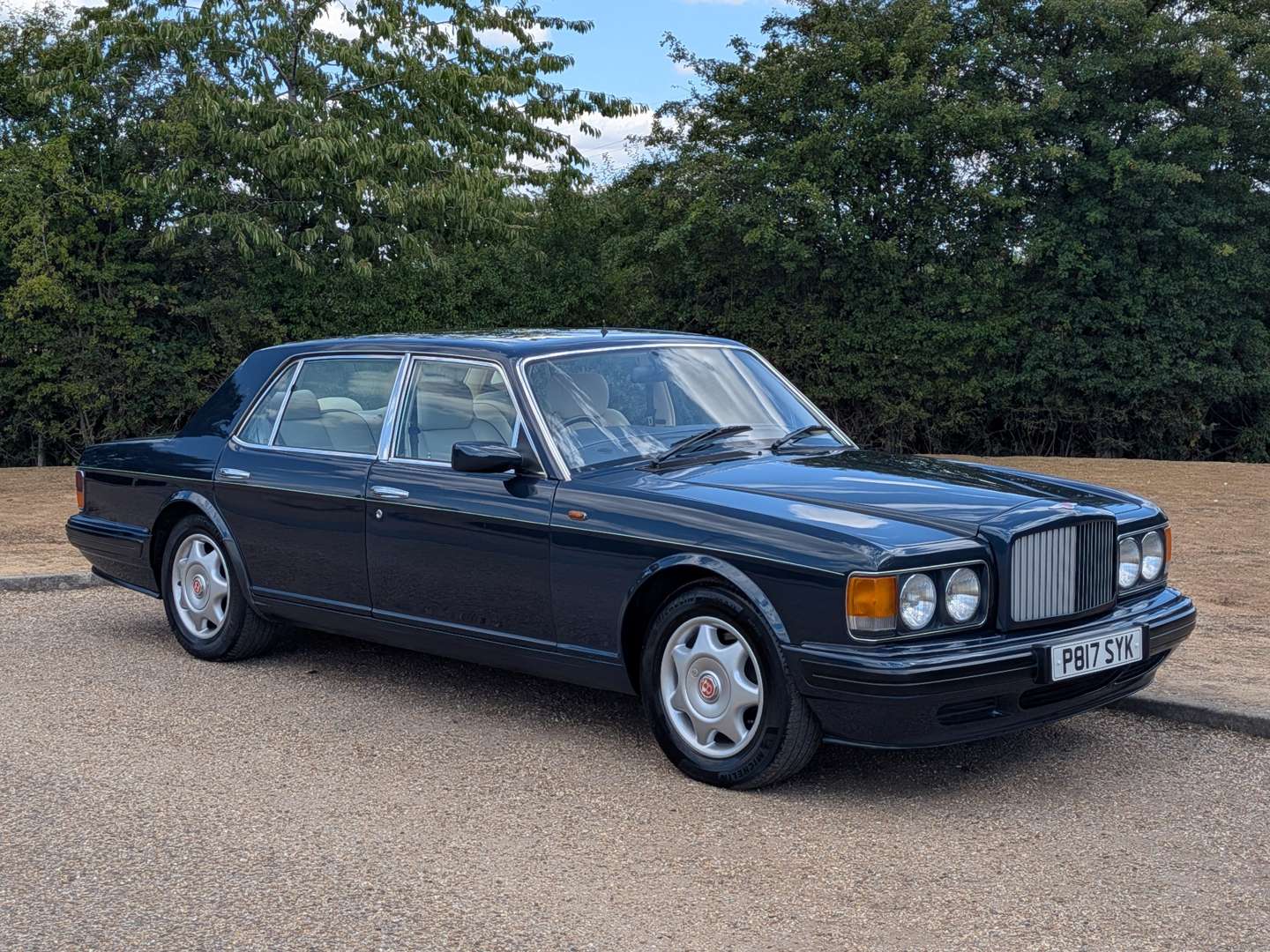
The Turbo R (1985–1997) is the car that gave Bentley its swagger back: the 6.75-litre V8 with a Garrett turbocharger, firmed-up suspension (the R stands for roadholding) and performance that embarrassed sports cars while carrying four in club-room comfort. Our single sold result sits at the family's root: a 1985 Mulsanne Turbo LWB, the Turbo R's softer predecessor, at £9,225.
Know your versions
The Mulsanne Turbo (1982–1985, like our sold car) proved the concept: turbo power, standard suspension, slightly alarming waft. The Turbo R proper (1985–1997) added firmer springs, dampers and anti-roll bars, wider wheels, and from 1987 fuel injection; power reached around 320bhp officially unstated. Long-wheelbase RL versions served the back-seat trade. The run-out Turbo RT (1997–1998, around 400bhp) borrowed the Continental T's engine and is the rarest and most potent; one no-expense-spared RT LWB is in our active listings at an estimate of £14,000 to £20,000. Later cars (1995 on) gained the lighter, better Zytec engine management and are the pick for usability.
What to pay
One hammer price: £9,225 for the 1985 Mulsanne Turbo LWB in August 2026, a fair marker for early, softer-spec cars. The £14,000 to £20,000 estimate on the 1997 Turbo RT frames the top of our current data: even the rarest, most powerful variant of the line is estimated in the teens, which makes the Turbo R one of the most performance-per-pound Bentleys we track. We will not invent tiers from one result; qualitatively, the RT and late injected Turbo Rs command the premiums, and scruffy early cars trade below our result.
What goes wrong
The engine is the strong part; the systems around it are the ownership test. The Crewe hydraulics (brake accumulator spheres, pumps, hoses, self-levelling rams) are safety-critical, age-limited, and the first thing to verify in any history file. Head gaskets weep with heat cycles, and the cooling system on a turbocharged 6.75 works hard: radiators, hoses and viscous couplings need to be genuinely healthy, not merely present. The GM-based automatic is durable with fluid changes. Rust attacks sills, rear arches, door bottoms and the boot floor, and chrome and trim restoration is slow money. Inside, cracked hides and lifting veneers cost more to correct than most Turbo Rs are worth, which is why interior condition should lead your shortlist. Fuel consumption is a lifestyle decision rather than a fault.
Our view
The Turbo R is the best-value fast Bentley there has ever been, and our data says so: £9,225 bought a running Mulsanne Turbo, and even the mighty RT is estimated at £14,000 to £20,000. The specialist network is deep, every mechanical problem is a known problem, and the cars are robust enough to be used as intended. The classic case is strongest for the Turbo RT and late Zytec cars, which are the ones to store; the rest are the ones to drive, hard, with a hydraulics fund. Buy on interior and invoices, in that order.