BMW 6 Series Buyer's Guide
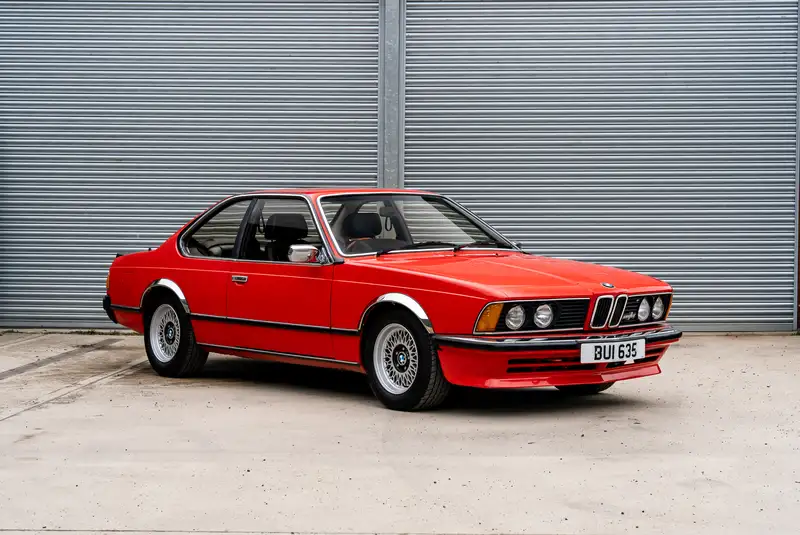
Five tracked 6 Series sales, £3,420 to £15,188, median £7,475, with five more live as we write. Interest centres on the E24 shark-nose era, the long-bonnet coupé that ran from the mid-1970s to the end of the 1980s, and the figures say the market still treats it as a used BMW rather than the pillarless grand tourer it is. That gap is the opportunity.
What to pay
£3,420, our floor, is where the rough cars live: running, usually presentable at ten paces, and hiding bodywork bills. Around £7,475, our median, buys honest driving examples with history and the kind of cosmetic wear a keeper can live with. £10,000 to £15,188, towards our ceiling, is where the sorted cars sit: good shells, documented mechanical work, the better engines and specifications. With five live lots, supply is steady enough that nobody needs to buy the first one they see.
What goes wrong
Rust decides everything: sills, rear arches, jacking points and the front wings all go, and on the E24 the repair sections are dearer than the equivalent 3 Series metal. Buy the shell, not the specification. Mechanically the news is better, because the E24 shares its major mechanicals with the contemporary 5 Series: the big sixes are durable and well understood, and most service items cross-reference straight over, which keeps running costs saloon-sensible. Interiors wear expensively, so a complete, unbroken cabin is worth paying for.
Our view
An undervalued grand tourer, and the arithmetic is simple: our £15,188 ceiling buys a car that cost serious money new and still looks it. Buy the most rust-free example available, accept a scruffy interior before a scruffy sill, and lean on the 5 Series parts commonality to keep it driving. The E24 has every ingredient of a car that appreciates; the market just hasn't finished noticing.