Chevrolet Corvette Buyer's Guide
America's sports car spans eight generations and a seventy-year production run, and our data catches both extremes: two sold results at £8,250 (a 1978 C3) and £10,000 (a 2000 C5), against live estimates that climb to £150,000–250,000 for a 1963 split-window coupé. Few nameplates cover this much price territory under one badge.
Know your generations
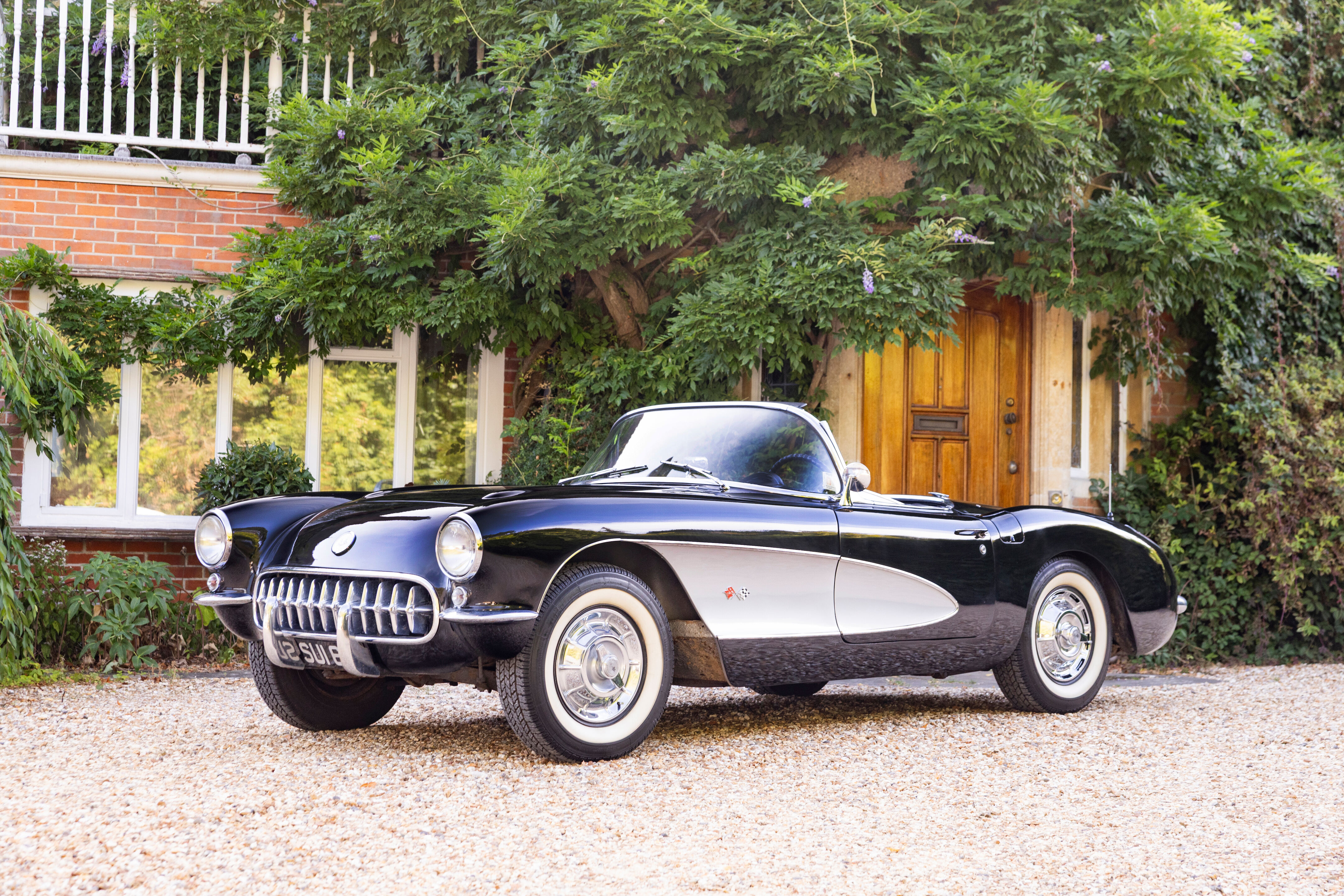
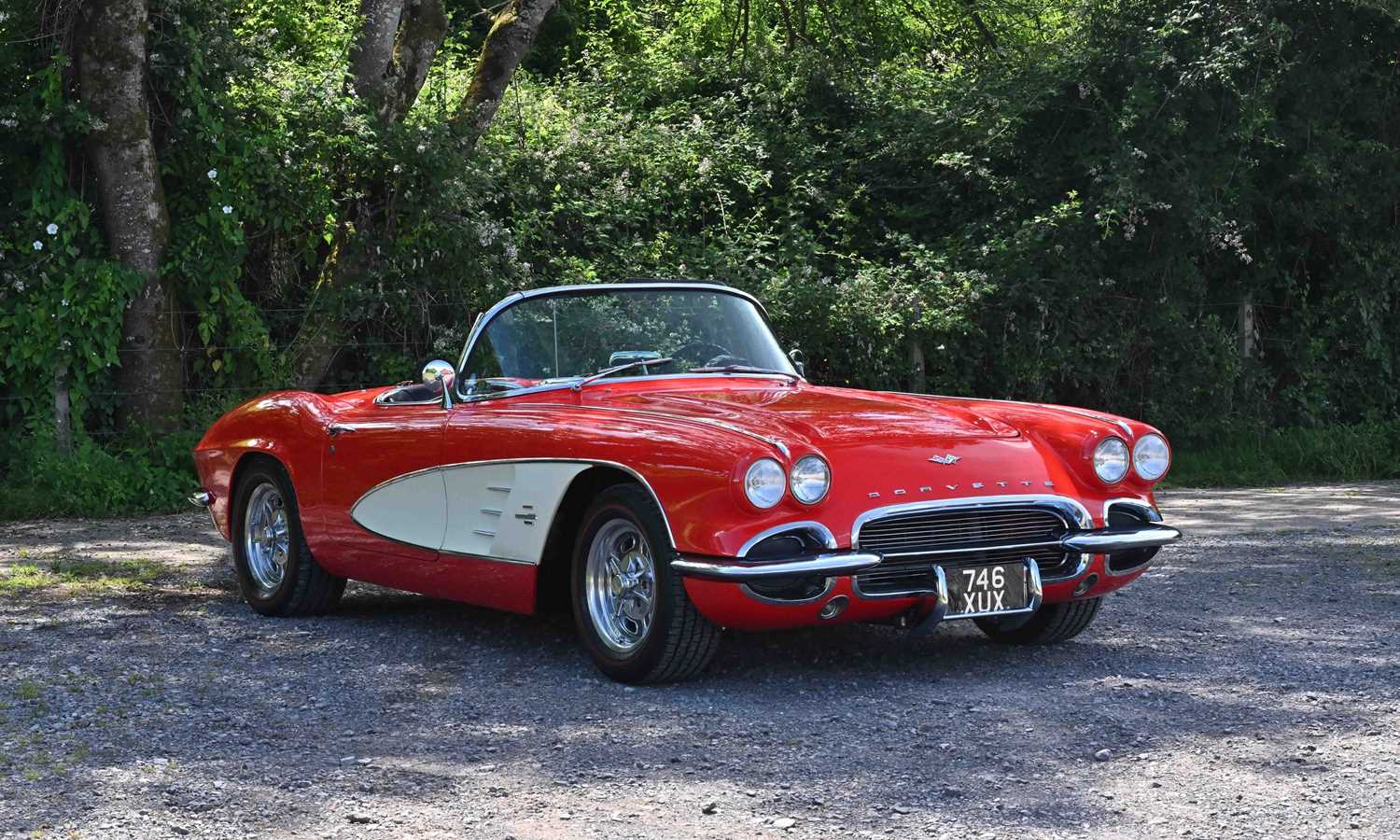
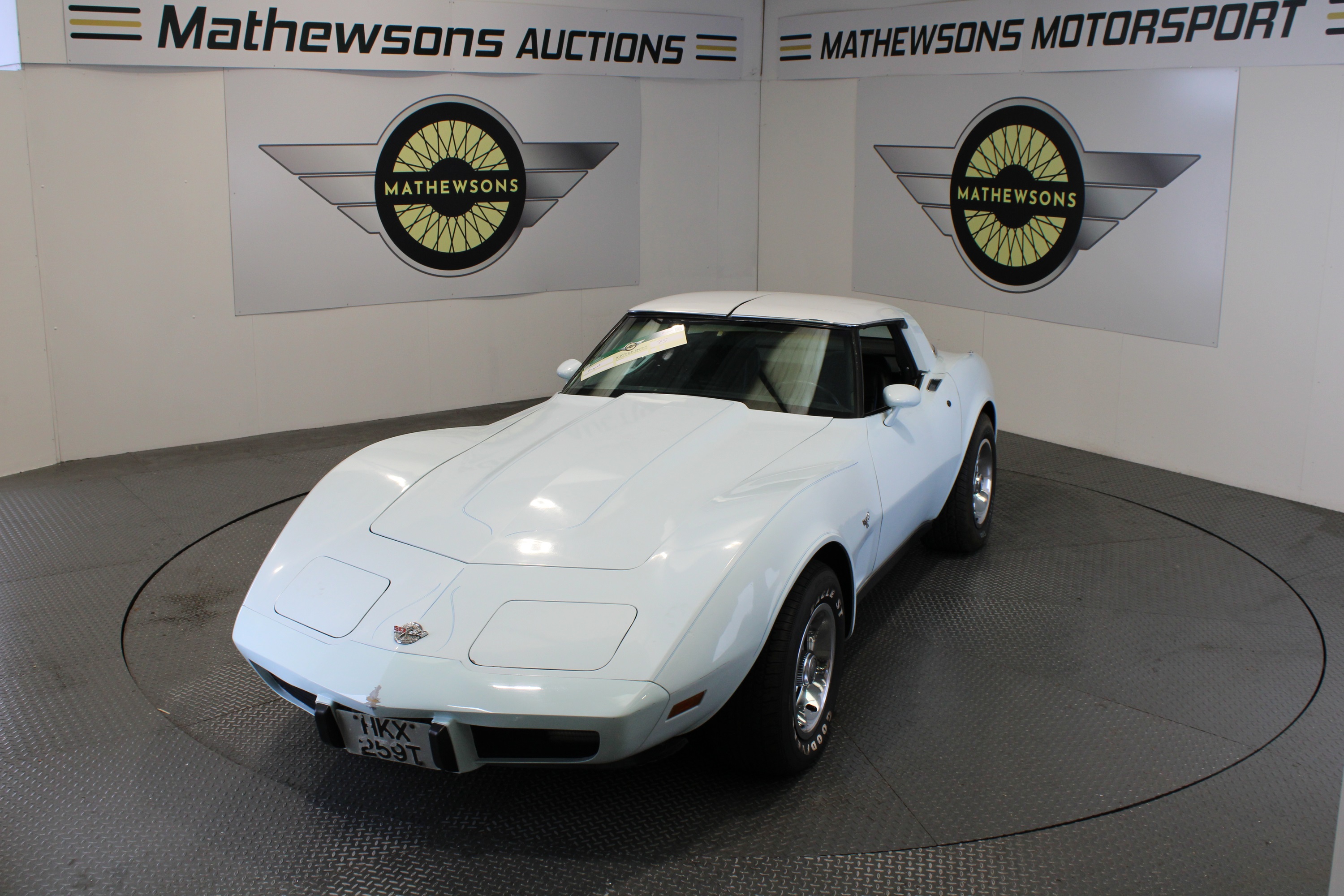
The C1 (1953–1962) is the chrome-and-fibreglass original; live lots include a 1956 roadster at £50,000–70,000 and a 1961 at £56,000–64,000. The C2 Sting Ray (1963–1967) is the styling high point, with the one-year-only 1963 split-window coupé the icon: our live example carries that £150,000–250,000 estimate, while a 1964 convertible is guided at £50,000–75,000. The C3 (1968–1982) ran fifteen years from chrome-bumper muscle to smog-era softness; late cars like our £8,250 1978 sale are the cheapest route into a classic Corvette. The C4 (1984–1996) brought digital dashboards and the 405bhp ZR-1; the C5 (1997–2004) the excellent LS1 and Z06, and our £10,000 result for a 2000 car shows how affordable they remain. The C6 (2005–2013) sharpened everything, topping out with the 505bhp 7.0 Z06 and 638bhp supercharged ZR1 (a live 2011 ZR1 is estimated at £75,000–100,000, with a 2007 convertible at £20,000–30,000). The C7 (2014–2019) was the last front-engined car; the mid-engined C8 (2020 on) offers 490bhp for supercar-fraction money and is still a new-car market.
What to pay
Two sold results only: £8,250 for a 1978 C3 (August 2026) and £10,000 for a 2000 C5 (March 2026), median £9,125. Both represent the entry tier, and the live estimates show how steep the ladder is above it: £15,000–20,000 for a 1980 C3 Stingray, £20,000–30,000 for a C6 convertible, £50,000–75,000 into C1 and C2 territory, £75,000–100,000 for the C6 ZR1, and £150,000–250,000 for the split-window. With two hammer prices, the honest summary is: usable late C3s and C5s are five-figure cars starting under £10,000 on our evidence, and everything collectible sits multiples above.
What goes wrong
Fibreglass bodies do not rust, but the steel beneath them does: birdcage (windscreen frame) rot on C2s and C3s and frame rails on any car that lived through salted winters are the expensive discoveries, and repairs mean body-off work. Small-block V8s themselves are close to immortal with parts everywhere. C3s suffer vacuum-operated headlamp and wiper-door gremlins and tired trailing-arm bushes; C4s eat digital dash modules and Bose amplifiers; C5s are robust bar steering-column lock faults and harmonic-balancer wobble on high-mileage LS1s; C6 Z06 LS7 engines have known valve-guide wear worth a leak-down test before purchase. On chrome-bumper and C2 cars, matching-numbers drivetrains dominate value: a correct engine can be worth more than the rest of the car's condition combined.
Our view
The unloved middle is the opportunity. A £10,000 C5, as our sold result shows, buys 345bhp of LS1, a proven chassis and running costs closer to a Mazda than a Ferrari, and it is the Corvette most likely to keep running as a usable classic without ever needing a restoration fund. Late C3s at £8,250 money are cheap for a reason (the malaise-era power outputs) but make honest cruisers. The C1 and C2 cars at £50,000-plus estimates are established blue chips; buy on documentation. Nobody ever struggled to find Corvette parts, which is more than half the argument for owning one.