Fiat 500 Buyer's Guide
Five tracked classic 500 sales, £700 to £23,625, median £4,200, with seven more live as we write: healthy inventory for a car this small. The Nuova 500 and its descendants remain the cheapest way into Italian classic ownership, and the spread here is condition doing all the work. Our £23,625 top result was an exceptional, restored car and should be read as such, not as where the market lives.
What to pay
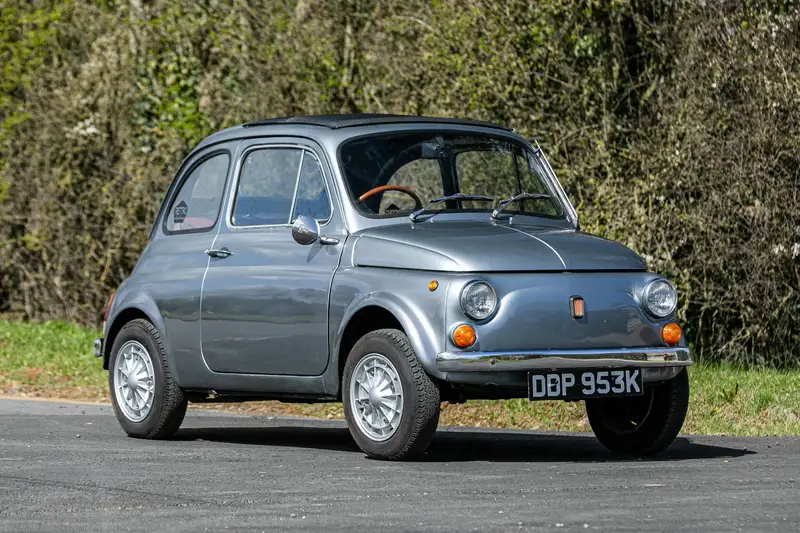
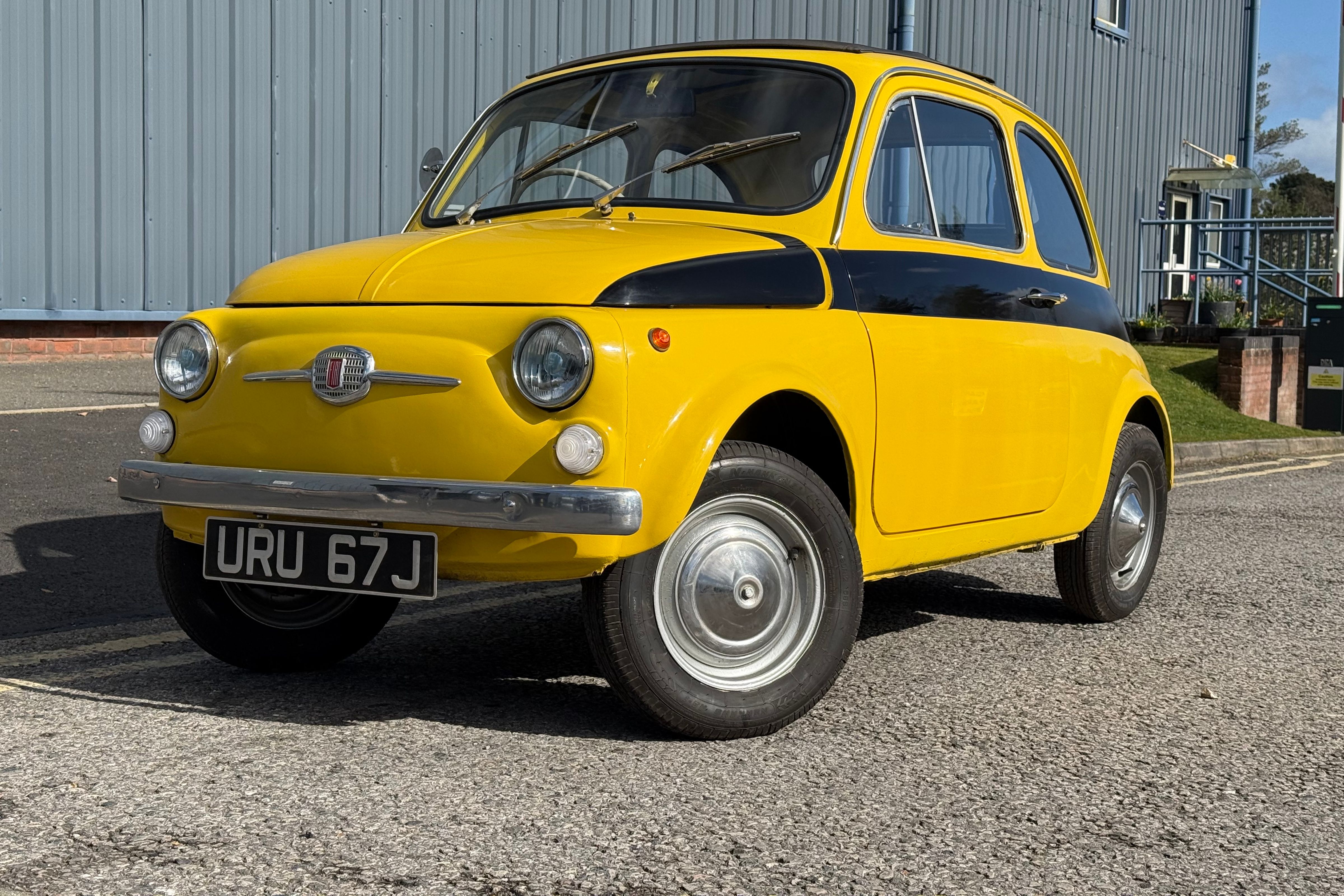
£700 buys a project, and at 500 money a project means a shell needing welding rather than a car needing a service. £2,000 to £4,200, up to our median, buys running, usable cars with honest cosmetics and some history of care. Above the median the market pays for restoration quality and correctness, with the ceiling occupied by the exceptional cars: our £23,625 result is the outlier that shows what a concours-grade restoration fetches, not what an ordinary tidy 500 is worth. Seven live lots means a buyer can afford to be choosy.
What goes wrong
Floors and sills are the purchase: the shell rusts from underneath, and a £700 car is usually £700 because of what the floor pans have become. Check the jacking points, the spare-wheel well and the sill seams before anything mechanical. The air-cooled twin is about as simple as a car engine gets, and parts cost pennies by classic standards, with excellent supply from Italian and UK specialists. Nothing mechanical on a 500 should decide a purchase; everything structural should.
Our view
Buy the best floor you can find and let the drivetrain look after itself; the running costs are among the lowest in the classic world. A solid car at our median is the sensible position, since restoration labour costs the same on a 500 as on something worth five times more. As a first classic, few things are cheaper to keep or easier to forgive.