Ford Capri Buyer's Guide
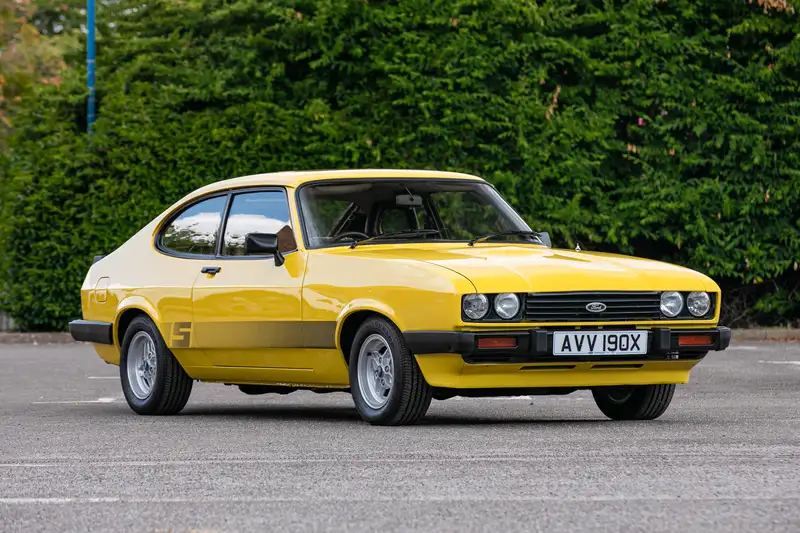
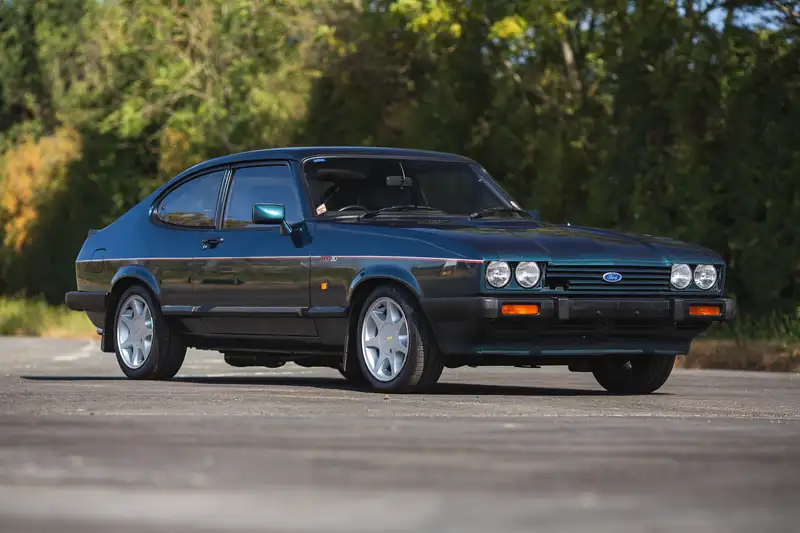
Four tracked Capri sales, £4,000 to £30,375, median £5,927, with four live as we write. The shape of that spread tells the story: the ordinary cars still change hands for usable-classic money, while the £30,375 top result is the other Capri market, the best and rarest end where the run-out specials live. Between the two sits one of the friendliest entry points into British classic ownership.
What to pay
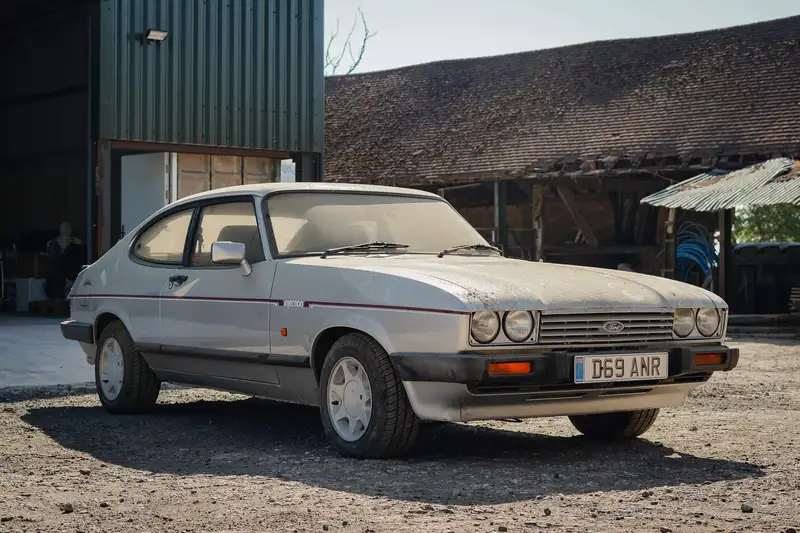
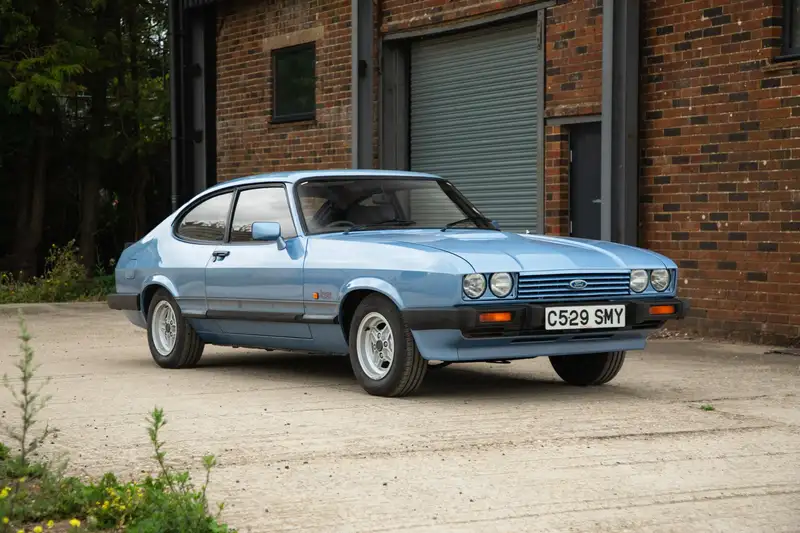
£4,000 to £6,000, our floor to our median, buys the honest 1.6 and 2.0 cars: drivers with sound structure, older paint and no pretensions. These are the value in the range and the cars most people actually remember. Above the median the money climbs with engine size, originality and injection badging, and the £30,375 ceiling represents the run-out specials and the finest low-mileage survivors, a market that behaves more like collecting than motoring.
What goes wrong
Rust decides everything: front inner wings and the MacPherson strut tops, sills, floors, rear spring hangers and the rear arches all rot, and strut-top repairs on a bad shell are the bill that kills a cheap Capri. Buy on structure, not chrome. Mechanically there is nothing to fear: the Pinto fours and the V6s are simple, understood, and supported by a strong club and specialist parts scene, and most jobs are driveway work with ordinary tools.
Our view
A solid 2.0 at our median is the sweet spot: cheap to run, easy to fix, and sitting on a value floor that has quietly firmed for years. The specials have already had their run; the ordinary cars are the ones still worth hunting. Pay for metal, ignore the stereo, and check the strut tops twice.