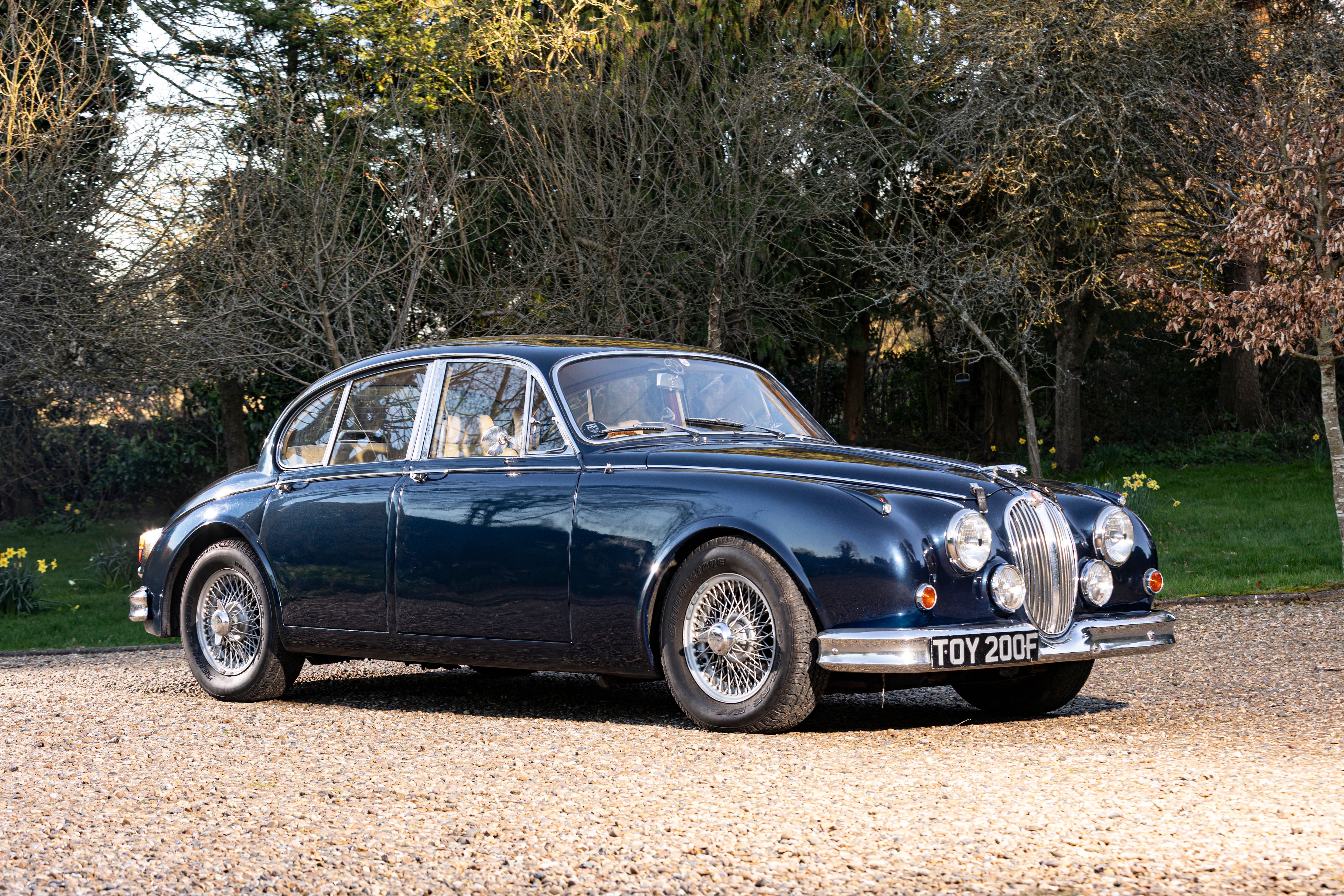
Jaguar 340 Buyer's Guide
Three tracked 340 sales, £17,000 to £20,500, median £17,000: a thin but consistent record, with two of the three results landing at the same figure and none live as we write. The 340 was the late-sixties run-out of the compact Mk2 family, sold with slimmer trim as Jaguar wound the line down, and the market has always priced it a step below the Mk2 badge it so closely resembles. That discount is the whole appeal.
What to pay
Our record is tight: £17,000 bought honest cars twice over, and £20,500 bought the better-kept end. Read £17,000 as the going rate for a solid, usable 340 and the climb to £20,500 as condition and history money. There is no project pricing in our data; nationally the rough cars exist and trade below our floor, but the arithmetic of restoring one rarely works when sound examples sell at these numbers.
What goes wrong
The unitary body is the risk, and it rots in the classic Jaguar saloon places: sills, floors, jacking points, rear spring hangers and around the front crossmember. A shiny 340 over soft sills is the standard trap, so buy on underside evidence. The XK six and its running gear are thoroughly understood, with parts supply and club support inherited from the entire Mk2 family; mechanical recommissioning is straightforward and reasonably priced by classic Jaguar standards.
Our view
The 340 is the connoisseur's shortcut: Mk2 presence and the same XK engine at a reliable discount, with a support network as complete as any sixties saloon enjoys. Buy the most structurally sound car available and treat the plainer trim as character rather than compromise. If the badge matters more than the metal, pay Mk2 money; if the car matters, this is the value.