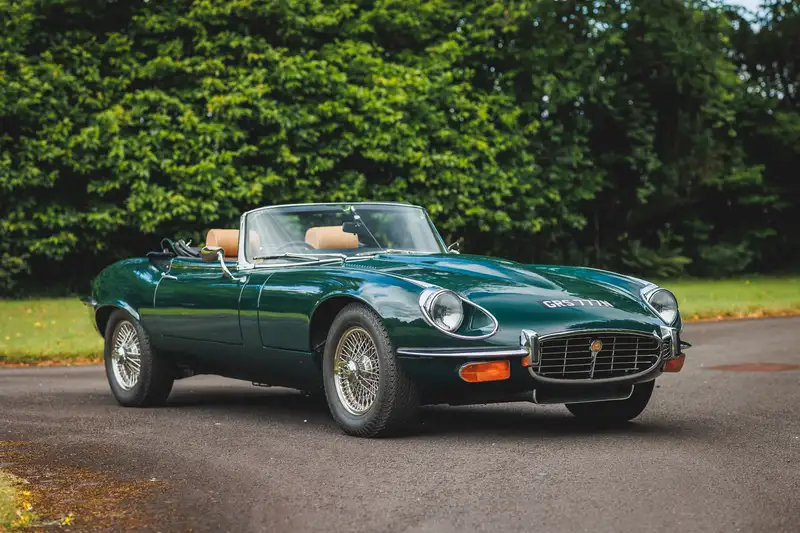
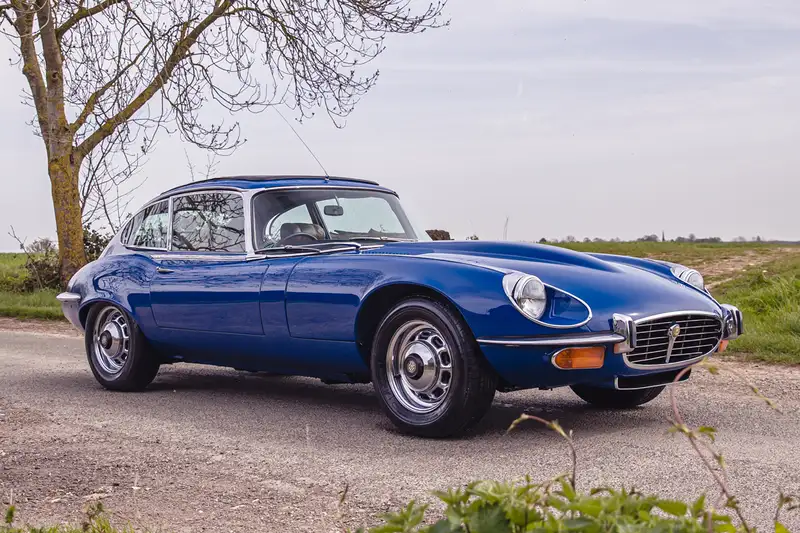
Jaguar E-Type Buyer's Guide
Fourteen tracked E-Type sales, £19,892 to £117,000, median £43,256, with sixteen more live as we write: the E-Type is the most actively traded blue-chip classic in our records. The spread is the market working properly: Series 1 roadsters with matching numbers set the ceiling, Series 3 2+2s in average order set the floor, and every car prices off three questions in strict order: which series, how original, how solid.
What to pay
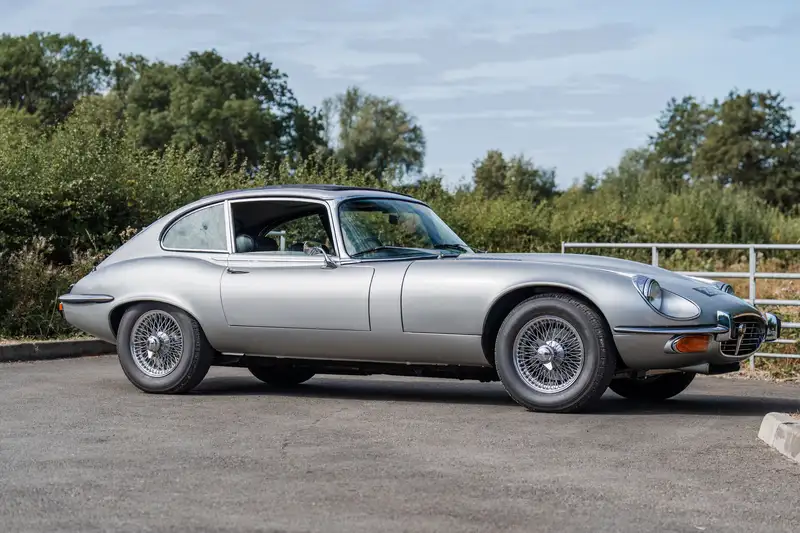
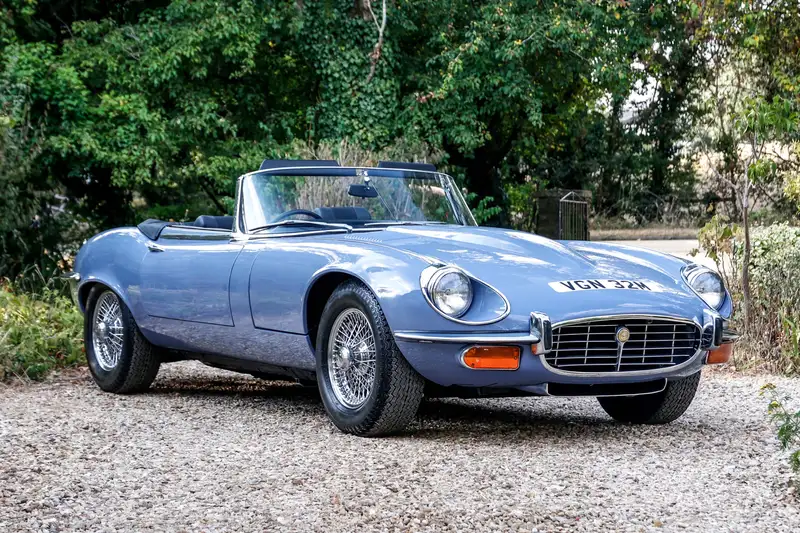
£20,000 to £30,000 buys projects and the least-loved body and series combinations, and the restoration arithmetic at this level rarely flatters the buyer. £35,000 to £55,000, around our median, buys honest driving examples, mostly Series 2 and 3. Above £60,000 the market is buying Series 1 cars, roadsters, originality and documentation, and our £117,000 top result sits well inside what the national market will pay for the best.
What goes wrong
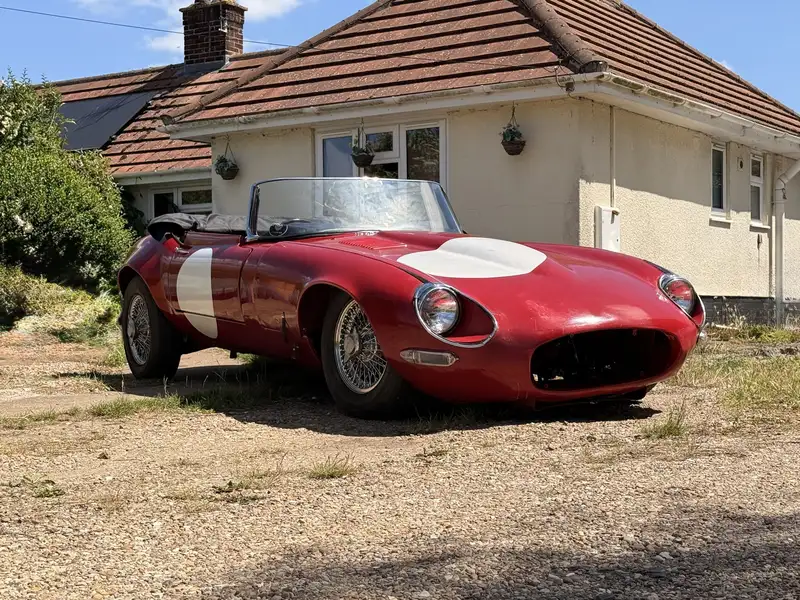
The monocoque is the purchase: floors, sills, bulkheads and the bonnet's inner structure rot expensively, and on a bad car the repair bill exceeds the price of a good one. Matching numbers and period colour changes move five-figure sums, so verify against the Heritage certificate before bidding, not after. Mechanically the XK six and the V12 are both well understood with complete parts supply; nothing under the bonnet should frighten a buyer who has seen the underside photographs.
Our view
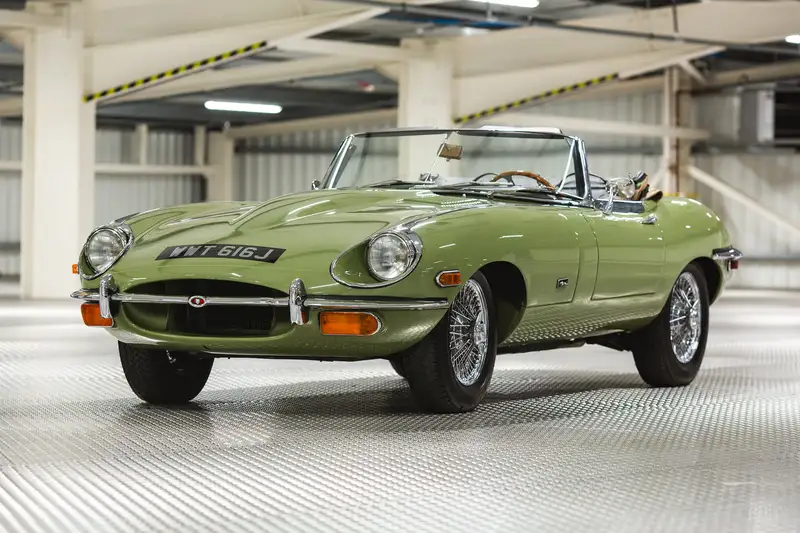
Buy the best structure and provenance the budget reaches and treat cosmetics as the cheap part. A documented Series 2 roadster around our median is the sweet spot between usability and blue-chip standing; Series 1 money rewards patience and expertise, and both are better spent with a specialist inspection first. The E-Type market forgives almost everything except optimism about rust.