Jaguar Mk2 Buyer's Guide
The Mk2 (1959–1967) is the definitive sporting Jaguar saloon, and its market has been mature for decades: the gap between a sound 3.8 and a tired 2.4 is enormous and permanent. Our two sold results are both 3.8s, at £20,000 and £28,125, while active listings include cars estimated from £7,000, which at Mk2 restoration costs means project territory.
Know your versions
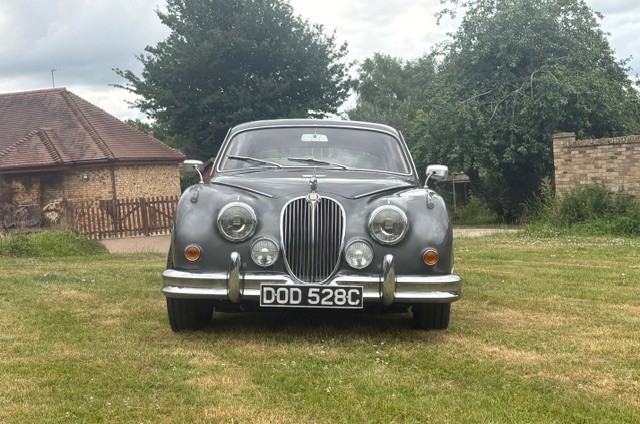
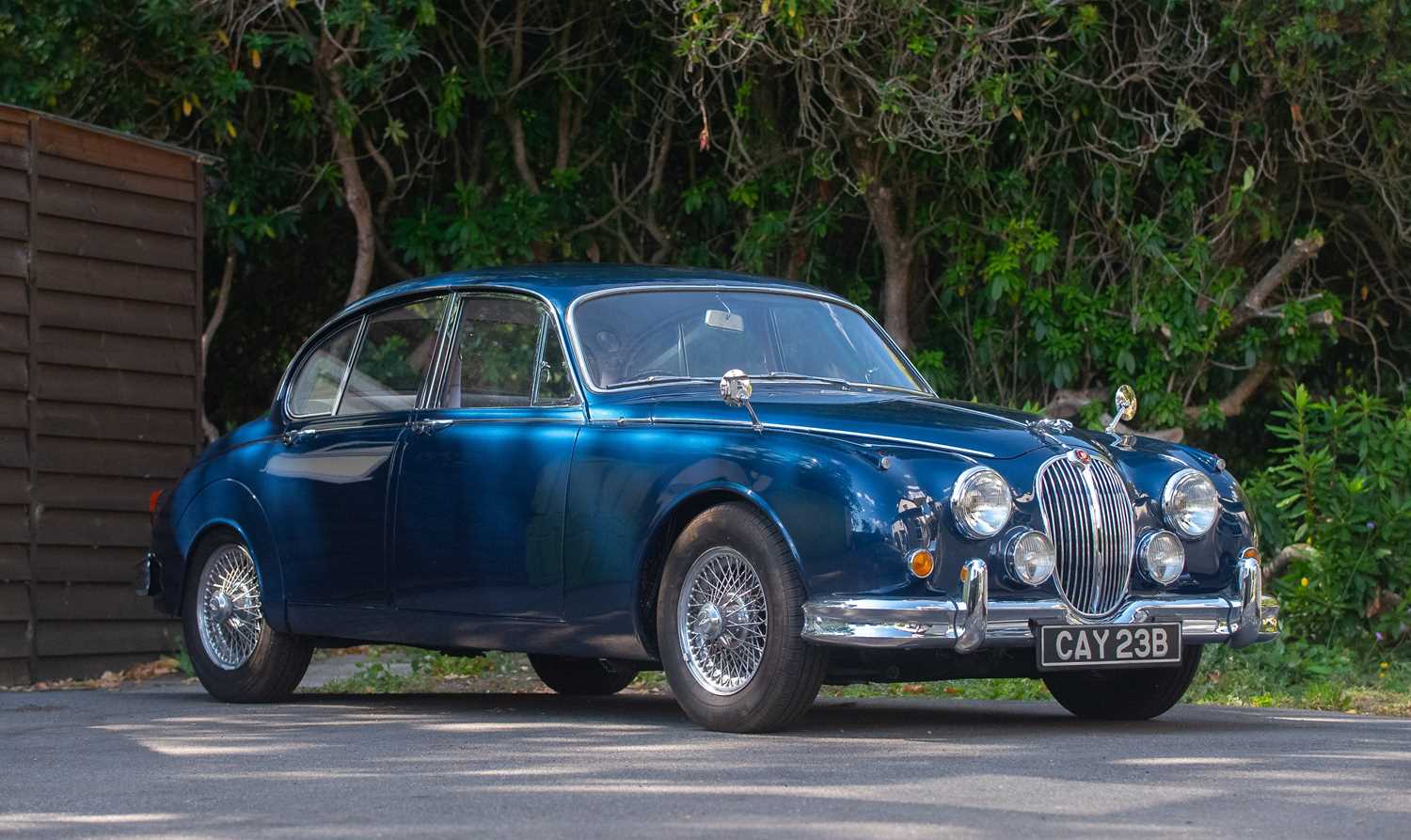
One shape, three XK engines. The 2.4 (120bhp) is the entry car and struggles to pull the Mk2's weight; it has always been the cheapest and always will be. The 3.4 (210bhp) is the sweet spot on paper, nearly as quick as the 3.8 and less fashionable. The 3.8 (220bhp) is the legend, the getaway driver's car and the one collectors specify, ideally with the manual gearbox and overdrive; our £28,125 result was exactly that specification. From late 1967 the range became the cheapened 240 and 340, with slimmer bumpers and Marles steering; the 1968 car in our active listings, estimated at £7,000 to £9,000, sits in that run-out era and prices accordingly. Wire wheels, power steering and originality of engine number all move the money.
What to pay
Two sold results: £28,125 in May 2026 for a 1963 3.8 with manual/overdrive, and £20,000 in April 2026 for a 1962 3.8 saloon, median £24,062. Active estimates fill in the lower tiers: a 1960 car at £10,000 to £15,000 and the 1968 example at £7,000 to £9,000. Read the market as £7,000 to £15,000 for cars needing work or in unfashionable specification, and £20,000 to £28,125 for good usable 3.8s, with concours and matching-numbers manual cars capable of more than our top result, qualitatively. Restoration costs routinely exceed any of these figures, so a cheap Mk2 is only cheap once.
What goes wrong
Rust, everywhere structural: sills (which are load-bearing and frequently covered by cosmetic oversills), floors, jacking points, rear spring hangers, valances and the base of the front wings. A magnet and an hour underneath are worth more than any paint. The XK engine is long-lived but watch for low oil pressure when hot (worn bearings), rattling timing chains and overheating from silted blocks and radiators; an engine rebuild is a five-figure event at specialist rates. Early cars carry the slow, obstructive Moss gearbox; many have been sensibly converted to later all-synchromesh or five-speed units, which helps usability and barely hurts value on a driver. Rear axles leak onto the inboard brake area, front suspension bushes and ball joints wear, and the servo and master cylinder on neglected cars need overhaul. Interiors are the hidden cost: retrimming wood and leather properly runs well into five figures, so a car with a sound original interior deserves a premium.
Our view
A 3.8 with overdrive, honest sills and a presentable interior at our £20,000 to £28,125 sold range is the Mk2 to own, and parts and specialist support are about the best in the classic world; this car will never be hard to keep running. The 2.4 is cheap for a reason, and any Mk2 priced like our £7,000 to £9,000 active estimate should be assumed to need everything. Buy the best bodyshell you can afford and let someone else have funded the restoration.