Jaguar XJR Buyer's Guide
The XJR is the supercharged XJ, and our three sold results, £2,900, £8,269 and £21,375, describe its entire condition spectrum in miniature: banger money for the neglected, real value in the middle, and proper prices only for the exceptional late cars. Nothing else offers 370 to 416bhp of wood-and-leather saloon this cheaply.
Know your generations
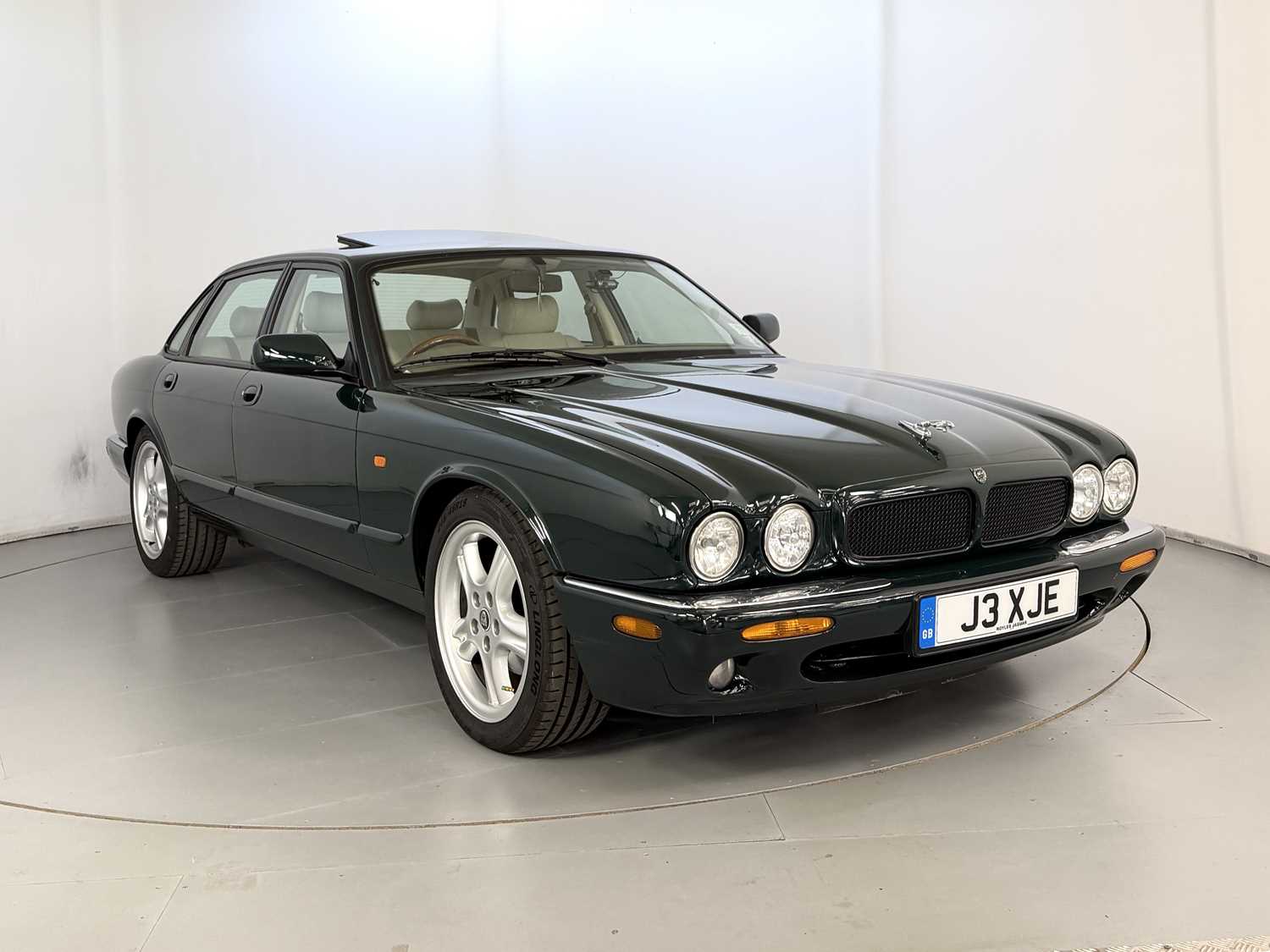
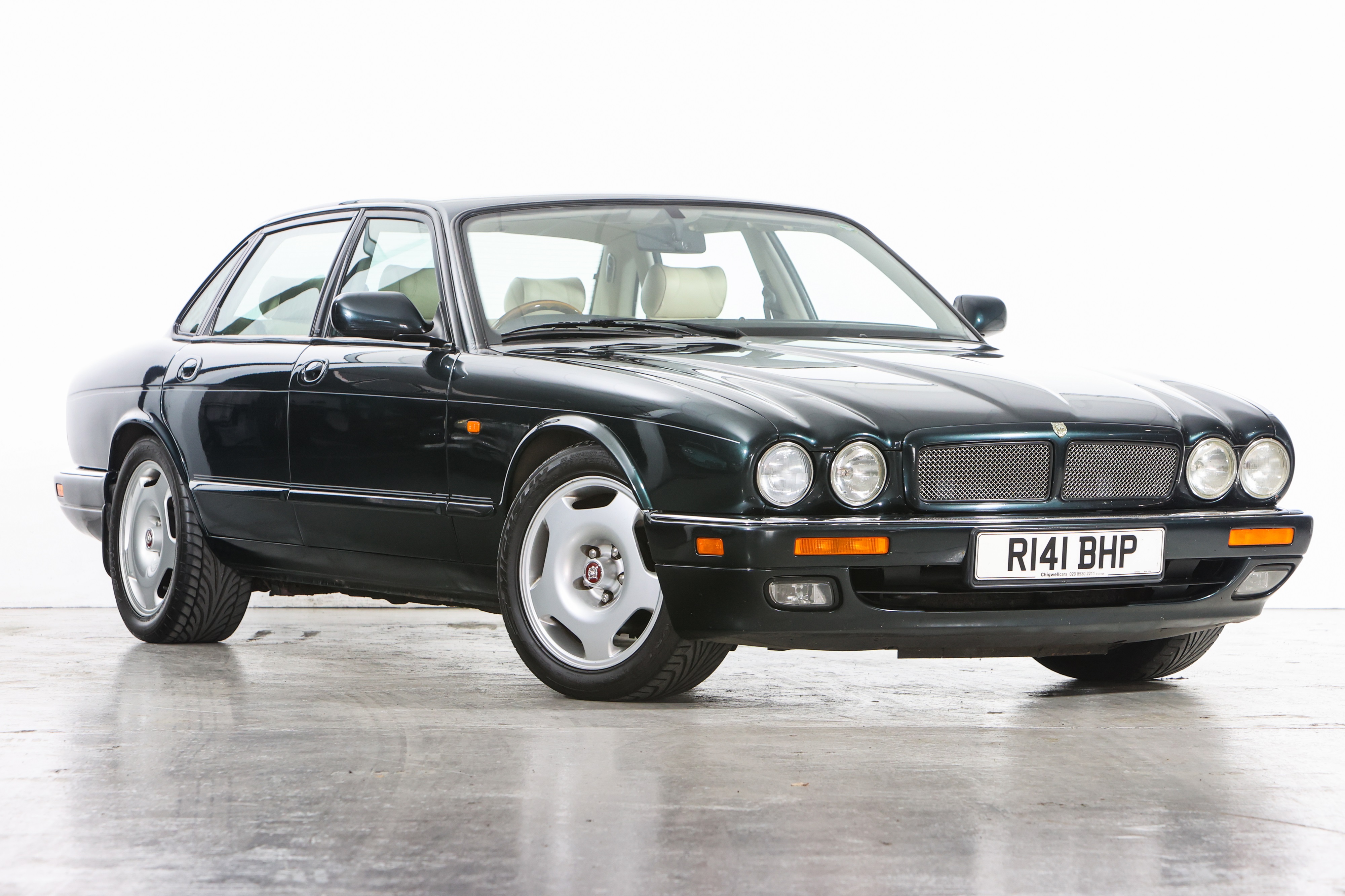
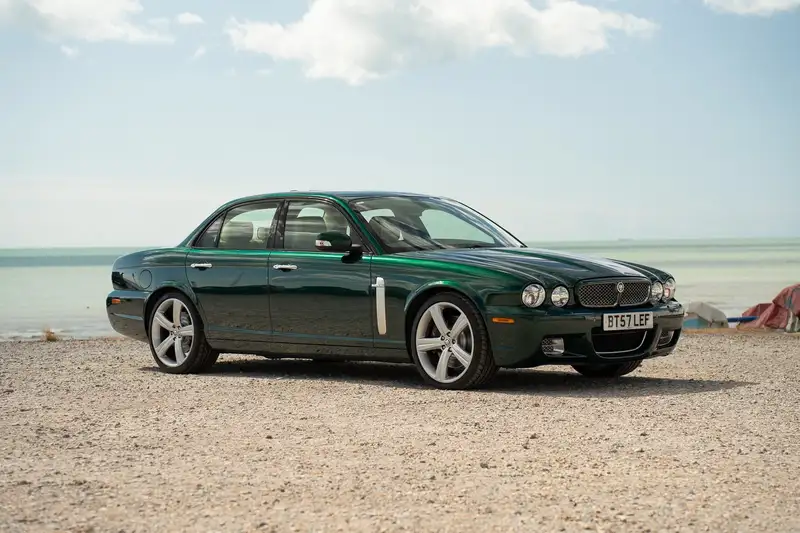
Three distinct eras. The X300 XJR (1994–1997) uses the supercharged 4.0 straight six (322bhp) with, unusually, a manual option; it is the classicist's pick and the rarest. The X308 (1997–2003) switched to the supercharged 4.0 V8 (370bhp) with the softer, wider-grille body; our £2,900 2003 car and the active 1998 example (estimated £4,000 to £6,000) sit here. The X350 (2003–2009) went to an aluminium monocoque with the 400bhp supercharged 4.2, rising to 416bhp in the X358 facelift and Portfolio run-out; our £8,269 2004 car and £21,375 2007 X358 bracket that generation. The aluminium car is far lighter, quicker and better to drive than its retro styling suggests.
What to pay
Three sold results: £2,900 in April 2026 for a 2003 XJR, £8,269 in March 2026 for a 2004 supercharged X350, and £21,375 in August 2026 for a 2007 X358, median £8,269. The active 1998 X308 at £4,000 to £6,000 fits the same picture. Tiering from those figures alone: around £2,900 to £6,000 buys X308s and early cars with needs, our £8,269 median is honest usable X350 money, and £21,375 is what a late, low-mileage X358 in top order now brings. Three sales is a thin base; treat the shape as indicative.
What goes wrong
Each generation has a signature failure. X308 V8s built before mid-1998 carry Nikasil cylinder liners that suffered bore wash from high-sulphur fuel; many engines were replaced under campaign, but verify. All early V8s eat their plastic secondary timing chain tensioners, and a cold-start rattle on an X308 is a walk-away or a bargaining chip of four figures. The X350's known weaknesses are the air suspension (compressor and air springs; a car sitting low overnight is telling you) and corrosion blistering on aluminium panels around bonnet and boot edges, plus front subframe corrosion on the worst-kept cars. All generations: supercharger coupler rattle, cooling system plastics, and ZF gearboxes that are robust if the "sealed for life" fluid myth was ignored. Electronics age gracefully by Jaguar standards but door modules and parking sensors fail. Service history is the entire game at this price level; a £2,900 XJR with a folder is a better car than a £6,000 one without.
Our view
The X350/X358 XJR at our £8,269 median is the standout: aluminium construction means the rust that kills old Jaguars mostly is not there, the 4.2 supercharged V8 is the durable version of the engine, and £21,375 for the best late car shows the market has started to notice. The X308 is the risk-and-reward end at £2,900 to £6,000, only worth it with tensioner and Nikasil history proven. Buy on file and suspension, and run the last great supercharged Jaguar saloon while it is still this cheap.