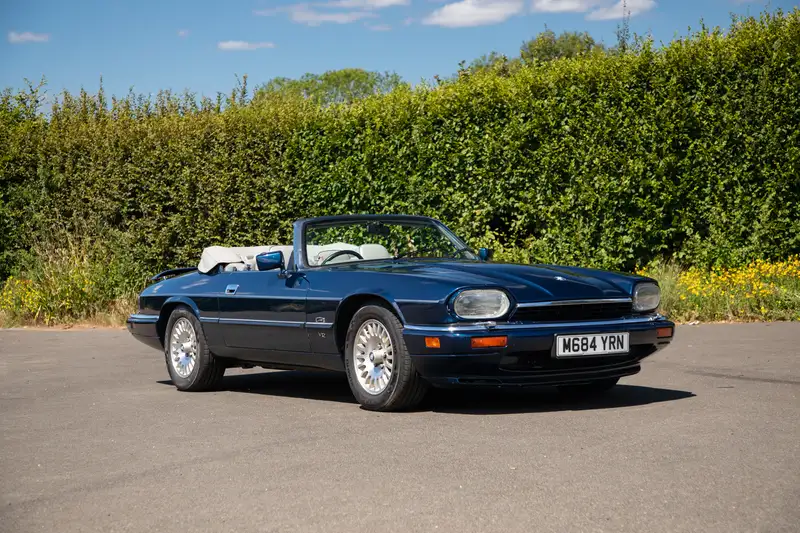
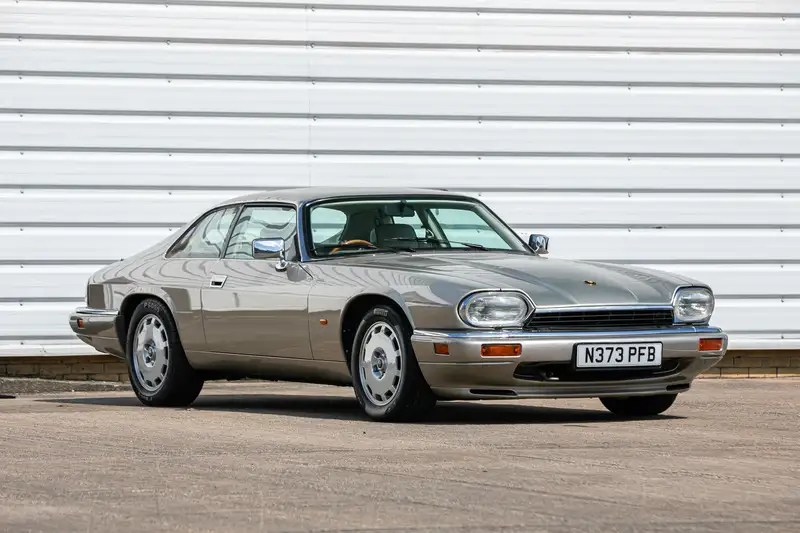
Jaguar XJS Buyer's Guide
Four tracked XJS sales, £6,710 to £21,938, median £8,337, with eight live as we write: strong supply for a car that was near-worthless within living memory. Long derided as the E-Type's unloved successor, the XJS has been reappraised as what it always was, a serious long-legged grand tourer, and the price direction is now unambiguous. The choice that defines every purchase is V12 or the 3.6/4.0 six.
What to pay
£6,710 to our £8,337 median buys running, usable cars: typically sixes, cabin-worn V12s, and examples with older paint and honest needs. Above the median the market pays for condition, history and the convertibles, and the £21,938 ceiling represents the well-kept end, cars with documented maintenance rather than deferred intentions. Restoration costs are the reason the spread exists: bringing a cheap car up to ceiling condition costs far more than the difference.
What goes wrong
Rust first: floors, sills and rear arches rot, and the repair bills there decide whether a cheap XJS was a bargain or a donation. The V12 is smooth and durable when cooled and serviced properly, but it punishes neglect, and its running costs are a permanent line item; the 3.6 and 4.0 sixes are cheaper to feed and simpler to keep honest. The saving grace is the specialist scene: parts supply and independent Jaguar expertise are strong enough that nothing on an XJS is unfixable, only unbudgeted.
Our view
A solid 4.0 six around our median is the rational XJS: most of the presence, a fraction of the fuel and worry. The V12 is the event, and worth having only with evidence of consistent specialist care. Either way buy on floors and sills, run it through a specialist, and enjoy owning the reappraisal.