Jaguar XK120 Buyer's Guide
The XK120 (1948–1954) is the car that made postwar Jaguar: the fastest production car in the world at launch, powered by the brand-new 3.4 XK engine that would run until the 1990s. We have no sold results for the model yet, but six active listings with estimates from £38,000 to £220,000 sketch the market clearly, and the spread between body styles is the first thing a buyer must understand.
Know your versions
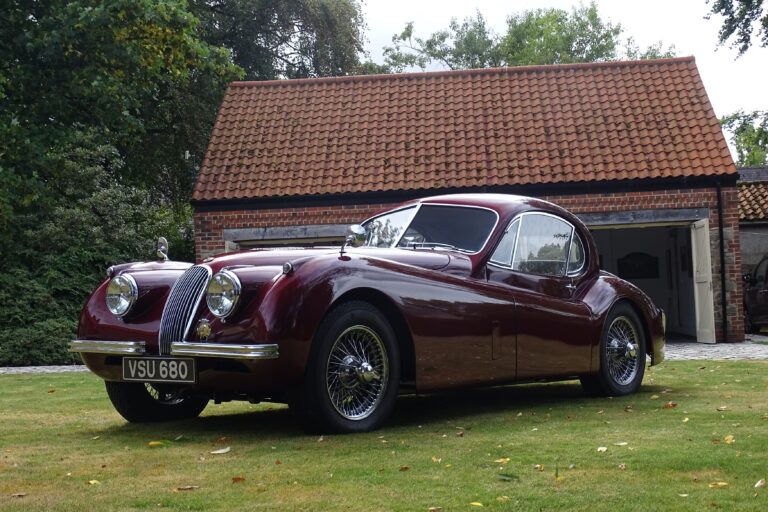
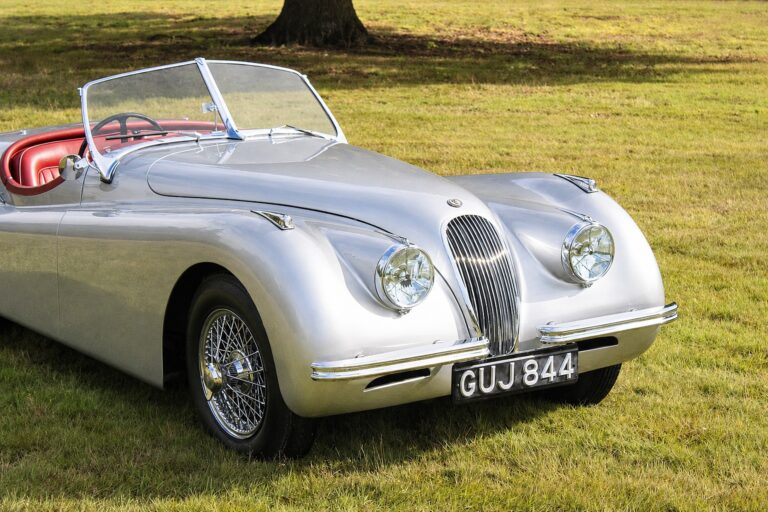
Three bodies on one chassis. The Roadster (OTS, 1948–1954) is the original and the most valuable: side screens, minimal weather gear, purest line. The Fixed Head Coupé (from 1951) adds a Mk V-style cabin and trades at a substantial discount, which our estimates confirm. The Drophead Coupé (from 1953) splits the difference with a proper folding hood and wind-up windows. All use the 160bhp 3.4 XK six; SE (Special Equipment) cars added power and wire wheels. The first 240-odd cars had aluminium bodies and are museum pieces beyond our data. Left-hand drive dominates survivors, since most production was exported; right-hand-drive home-market cars carry a premium in Britain, qualitatively.
What to pay
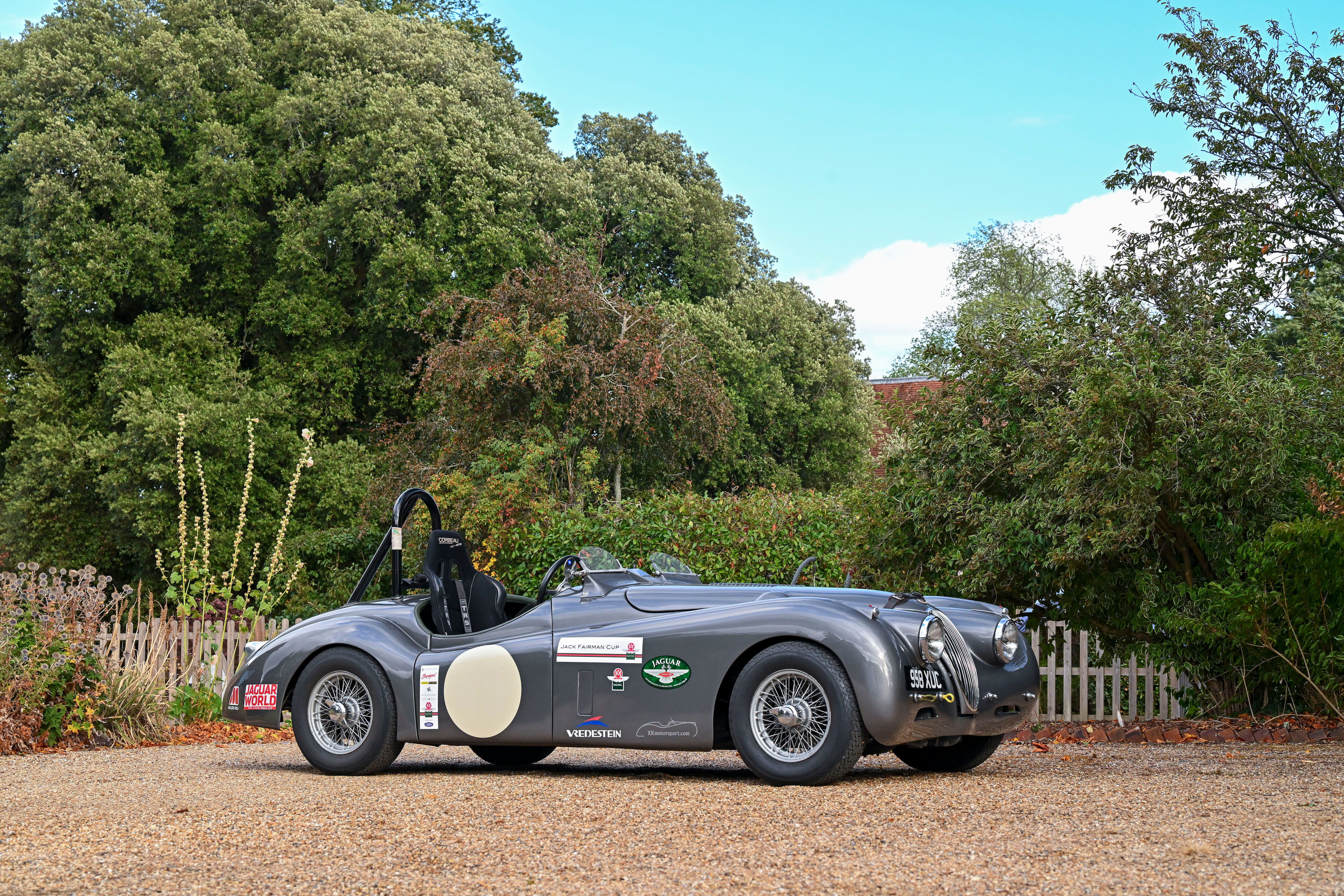
No sold results in our records, so the active estimates are the only pack evidence. Fixed Head Coupés: two cars (1952 and 1953) both estimated at £60,000 to £80,000. Roadsters span far wider: £70,000 to £90,000 for a 1951 car, £80,000 to £100,000 for a 1950, and £180,000 to £220,000 for a 1953 example at the top, presumably in exceptional order or specification. A 1953 3.8-engined competition roadster at £38,000 to £44,000 shows how a non-original engine and modified history reprices a car below even the coupés. Read it simply: coupés from £60,000, honest roadsters from £70,000, the best estimated to £220,000, and originality is what separates the tiers.
What goes wrong
The XK engine is famously durable but a seventy-year-old one needs evidence: oil pressure hot, no head-gasket weep between block and head, and a documented rebuild are worth real money. Cooling is marginal by design; a modern radiator core and fan are common and sensible. The chassis is rugged, but body rot attacks sills, floors, door bottoms, and the ash-framed doors on early cars; poor-quality older restorations with filler-heavy wings are the trap, so paint-depth readings and underside inspection matter more than shine. Drum brakes are adequate only when perfectly set up, and many cars carry discreet front-disc conversions. The Moss gearbox is slow but reliable; rear axle and lever-arm dampers wear gently. Above all, verify matching numbers against the Jaguar Daimler Heritage Trust certificate: engine, body and chassis numbers determine value on an XK120 more than condition does, as our £38,000 to £44,000 non-original competition car against £180,000-plus for the best roadster demonstrates.
Our view
With no sales on record we hold judgement on precise money, but the structure is old and stable: the Fixed Head at £60,000 to £80,000 is the value route into a genuinely historic Jaguar, and mechanical parts supply for the XK engine is so deep that these cars can be run indefinitely. Buy on provenance documents and body integrity, not chrome. A matching-numbers car with Heritage certification is the only kind to own at this level.