Jensen C-V8 Buyer's Guide
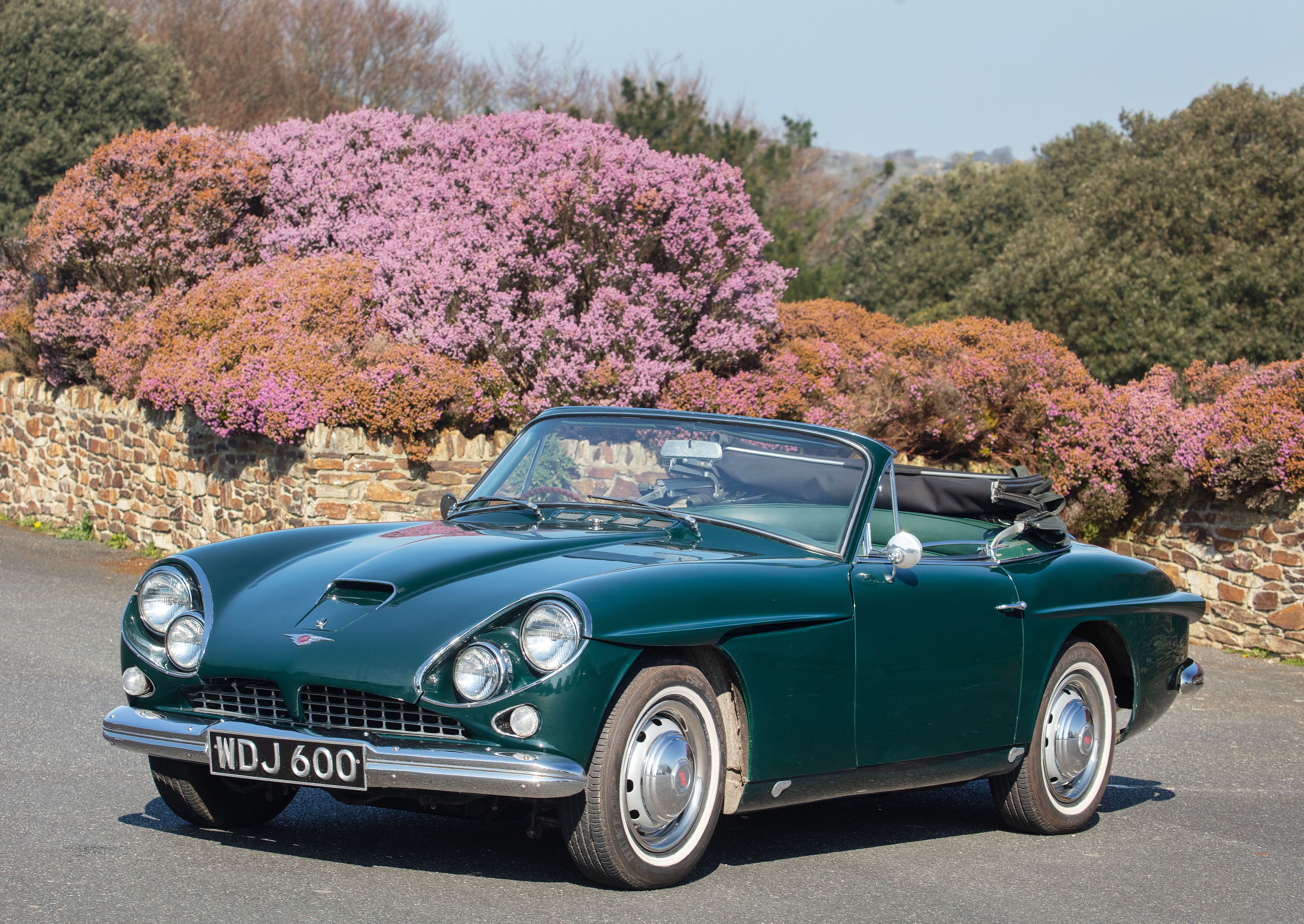
The C-V8 (1962–1966) is the Interceptor's odd-looking, faster-than-you-think predecessor: a glass-fibre-bodied grand tourer with big Chrysler V8 power, built in tiny numbers (around 500 cars) and now a connoisseur's Jensen. Our data holds one sold result, a 1964 Mk II convertible at £23,000, and one active listing, a 1963 Sedanca estimated at £38,000 to £45,000; both are coachwork oddities on a car that was only catalogued as a saloon, which tells you how individual surviving C-V8s tend to be.
Know your versions
Three marks in four years. The Mk I (1962–1963) launched with Chrysler's 5.9 (361) V8; the Mk II (1963–1965) took the 6.3-litre (383) unit, rated around 330bhp, with detail chassis improvements; the Mk III (1965–1966) tidied the controversial slanted quad headlamps into a neater arrangement and refined the trim. All were nominally four-seat saloons with Torqueflite automatic transmission (a handful of manuals exist). Performance was genuinely in Aston Martin territory at two-thirds the price, and the diagonal-lamp face kept values low for decades. Factory convertibles were not offered, so open cars like our sold example are conversions or specials and should be valued on their individual history rather than a catalogue position.
What to pay
One sold result: £23,000 in April 2026 for the 1964 Mk II convertible. The active 1963 Sedanca's £38,000 to £45,000 estimate is the only other pack figure. With a single sale we will not build a tier table: read £23,000 as what one non-standard open car actually fetched, and the £38,000 to £45,000 estimate as where consignors pitch a rarer coachbuilt example. Standard saloons trade between and beyond these points depending on condition and history, qualitatively; matching-numbers Mk II and Mk III cars in good order are the core of the market.
What goes wrong
The glass-fibre body cannot rust, which fools people: the tubular and sheet-steel chassis underneath can, and does, particularly around outriggers, suspension mounts and the front crossmember, and repairs mean body-off work. Crazing, star cracks and poorly matched older repairs in the glass-fibre are cosmetic but expensive to make invisible. The Chrysler drivetrain is the car's great strength: the 361 and 383 V8s and Torqueflite are understressed, parts are cheap American commodities, and a tired engine is a straightforward rebuild rather than an exotic one. Jensen-specific items are the problem: glass, brightwork, badges, instruments and interior fittings are near-unobtainable outside the owners' club network, so completeness is worth more than mechanical health. Check the front suspension (Austin-derived components wear), the dual-circuit brake conversion status, and electrics that mix British Lucas with American gauges.
Our view
The C-V8 is the clever Jensen buy: Interceptor pace and rarity beyond it, with a drivetrain any competent V8 shop can keep alive for decades, which is exactly the profile of a durable classic. Our £23,000 sold convertible against a £38,000 to £45,000 Sedanca estimate shows the range individuality creates; a sound, complete saloon in that span is the sensible target. Buy on chassis condition and completeness, and let the Chrysler engine be the least of your worries, because it will be.