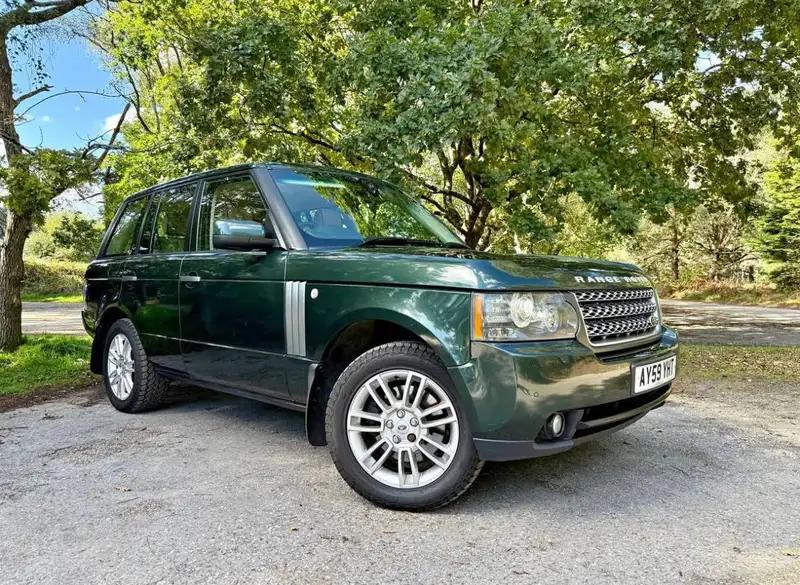
Range Rover Buyer's Guide
Three tracked classic Range Rover sales, £4,500 to £5,600, median £4,700, with seven more live as we write. Be clear about what those numbers are: all three of our results are project-grade cars, and they describe the bottom of the market, not the market. Good classic Range Rovers change hands nationally for far more than anything in our records, which makes our figures less a valuation than an entry ticket.
What to pay
£4,500 to £5,600, our entire recorded range, buys projects: cars needing structural welding, mechanical recommissioning or both, priced accordingly. The narrow band tells you the trade has settled on what a rough Range Rover is worth to fix. With seven live lots there is choice at this level, and for a buyer who can weld, the gap between our prices and what a finished car fetches elsewhere is the whole opportunity. Buyers wanting a sorted example should budget well beyond our recorded figures.
What goes wrong
Structure first: the boot floor, inner sills, rear arches and tailgate frames rot, and the aluminium outer panels hide steel corrosion underneath until it is advanced. A project bought at our money should be assumed to need all of it. The Rover V8 is durable if its cooling system has been maintained and head gaskets attended to; air suspension on later cars adds cost that coil conversion avoids. Parts supply is strong, and the specialist network built around Land Rover products means nothing is unobtainable.
Our view
At our recorded prices the classic Range Rover is a welding project with a famous silhouette, and it should be bought as exactly that. For the buyer with the skills and the space, it is one of the better arbitrage plays in our records: cheap in, strong market out. For everyone else, the honest advice is to pay real money for a solid car somewhere and skip the intermediate years of grinding.