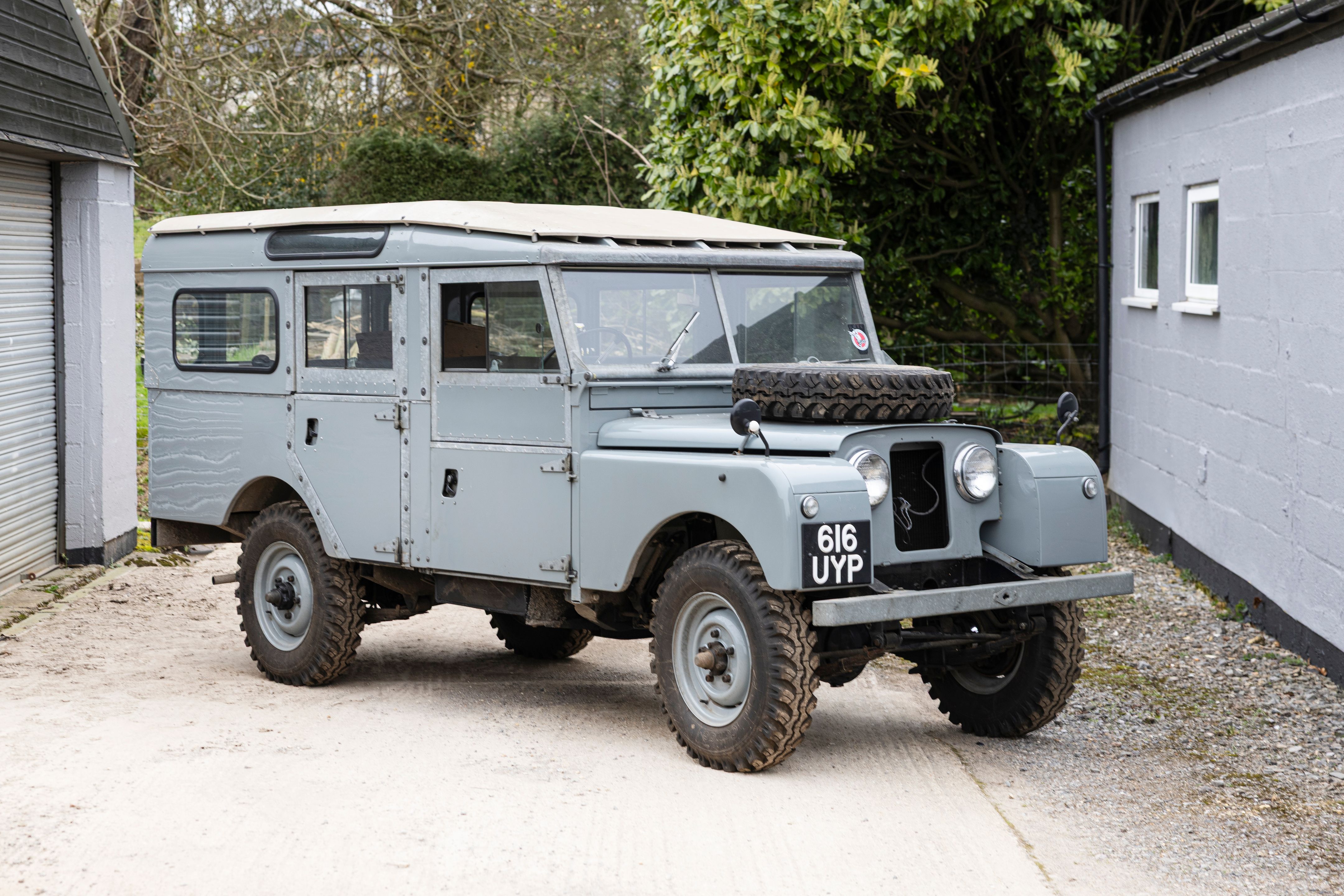
Land Rover Series I Buyer's Guide
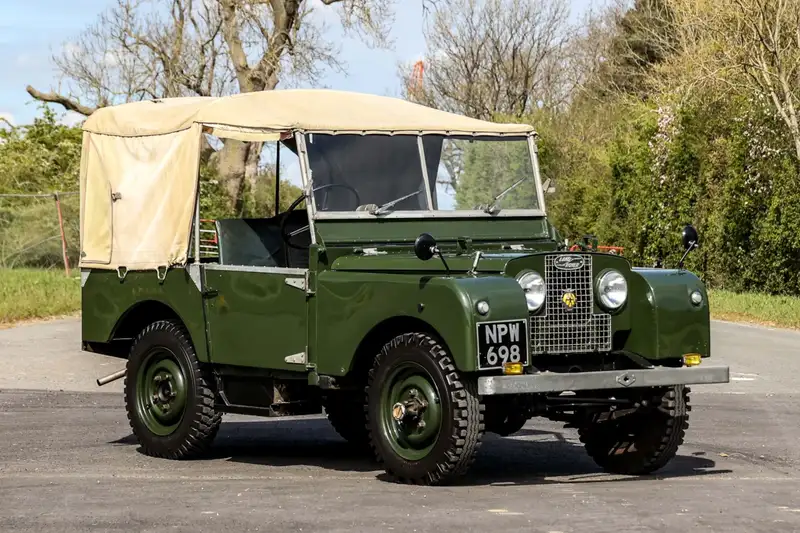
Seven tracked Series I sales, £4,200 to £27,000, median £10,000, with four more live as we write. The Series I (1948–58) is the Land Rover the collectors want: the later Series trucks are bought to be used, but the original article is bought to be kept, and the earliest examples lead the market by a comfortable margin. The spread in our records is the usual Land Rover story, condition and completeness doing all the work.
What to pay
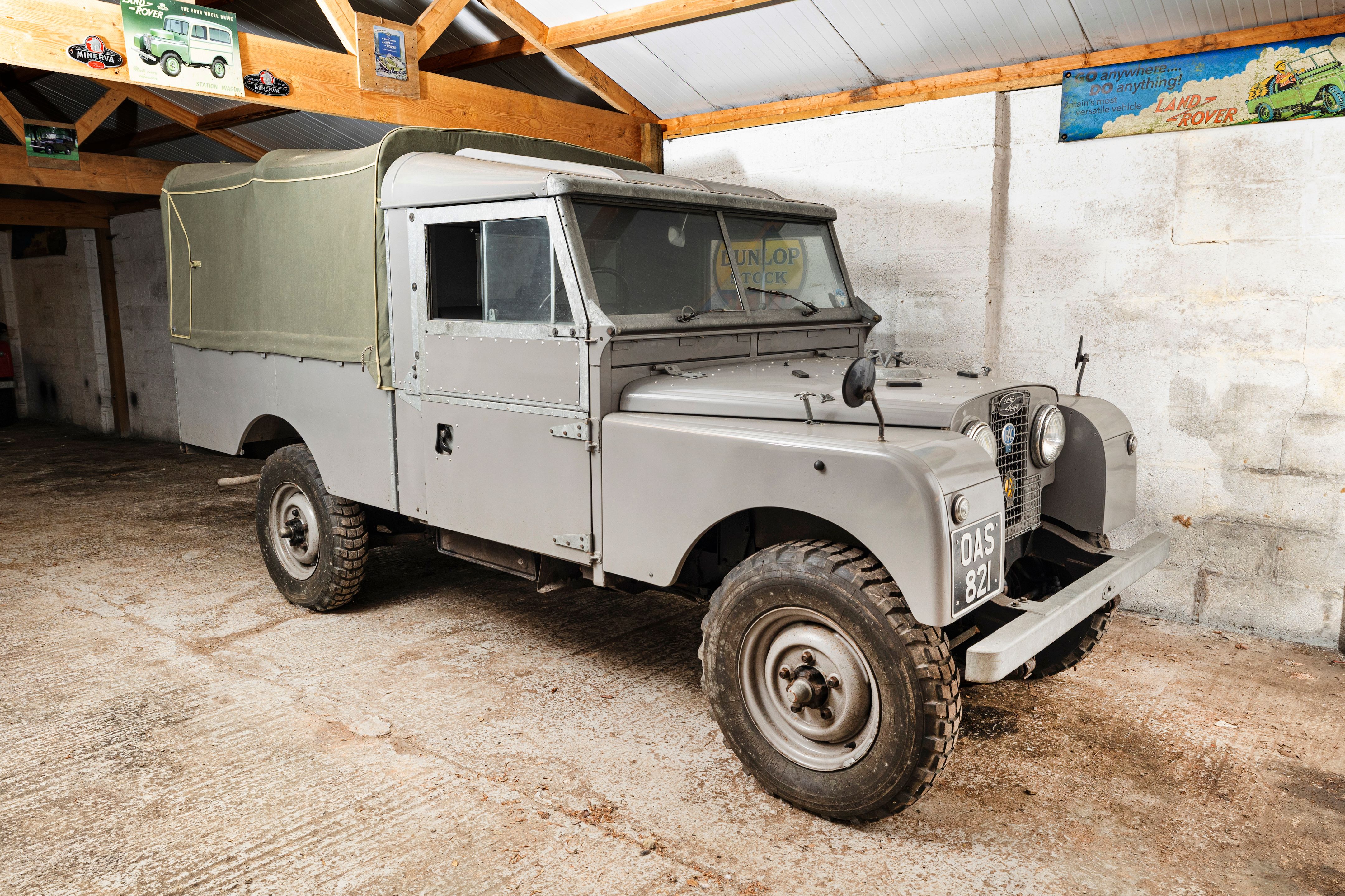
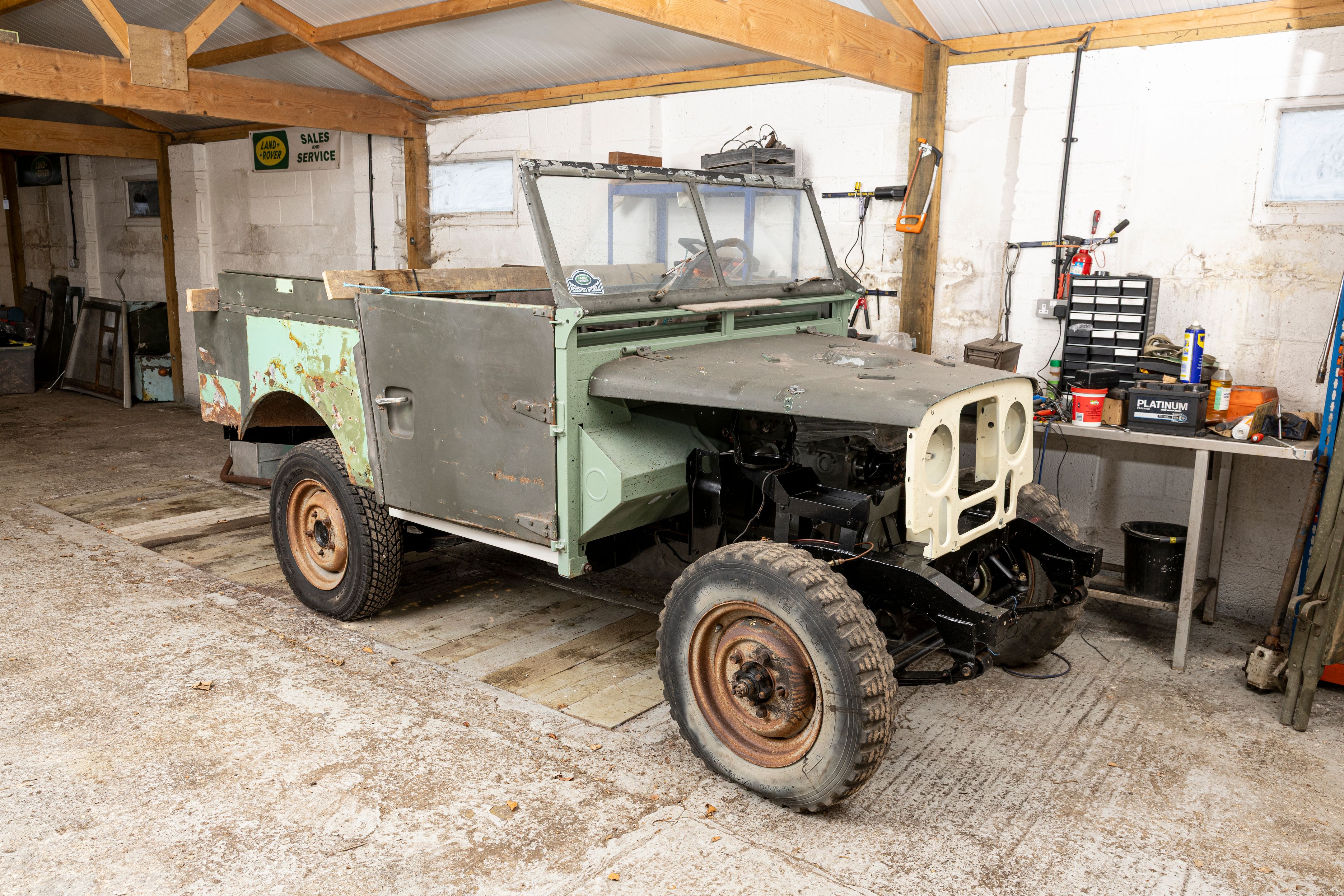
£4,200 to £8,000 buys projects, incomplete cars and later examples needing structural work; nothing at this level should be assumed solid. Around our £10,000 median sits the honest, usable Series I: running, largely complete, presentable rather than restored. From there to our £27,000 top result the market is paying for early production, originality and documented restoration, and the earliest cars carry the strongest premium in the family.
What goes wrong
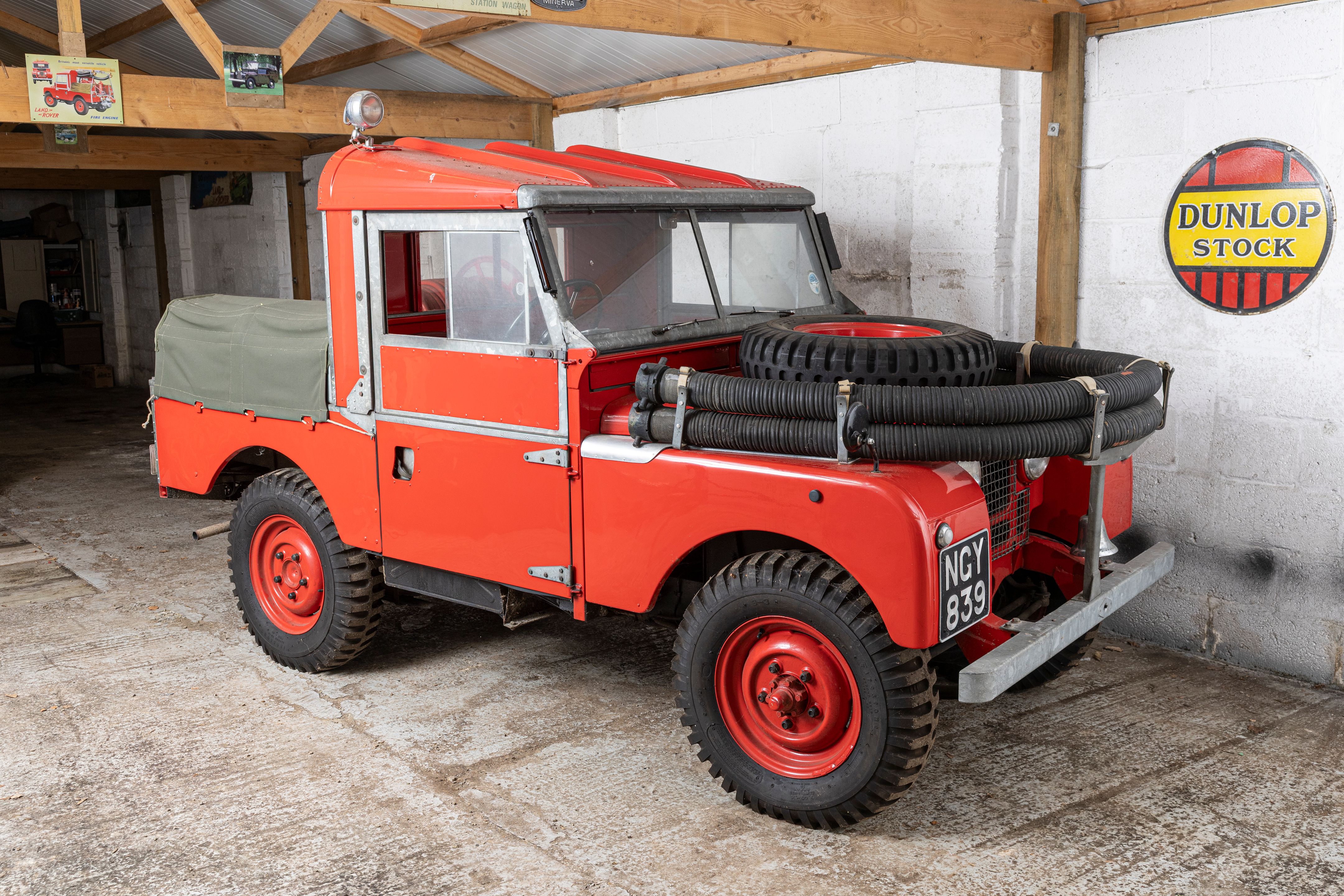
The chassis and bulkhead are the inspection: both rot, both are expensive to put right, and the aluminium body panels above them can look deceptively healthy while the steel beneath dissolves. Check the chassis at the rear crossmember and outriggers, and the bulkhead at the footwells and door pillars. Mechanically these are simple, slow and robust; the engines and gearboxes are well understood, and parts support for the Series family is effectively complete, from chassis rails to trim. Missing period-correct fittings cost more to source than to inspect for.
Our view
Buy on chassis and bulkhead, then on completeness, and treat the paint as irrelevant. A sound driver at our median is the sensible entry to the collector end of Land Rover ownership, and the parts supply means nothing about keeping one alive is difficult, only slow. The early cars are the blue chips of the utility world; the market has already decided that, and it is not changing its mind.