MG MGA Buyer's Guide
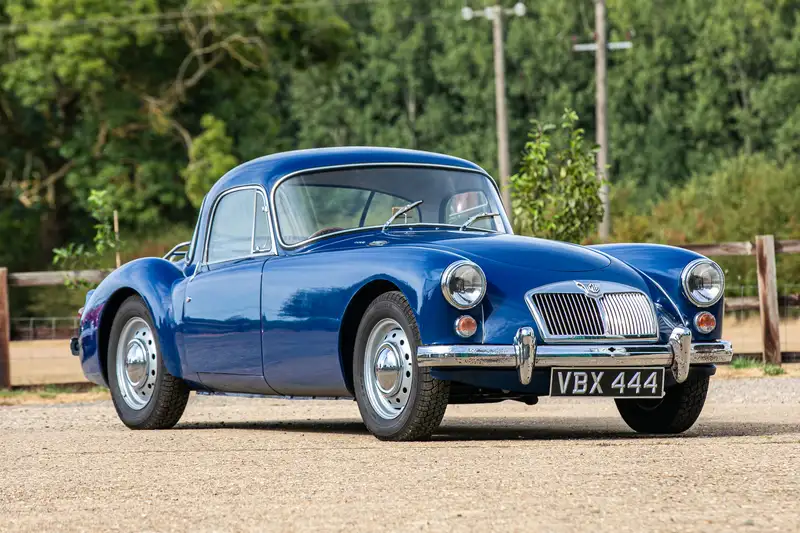
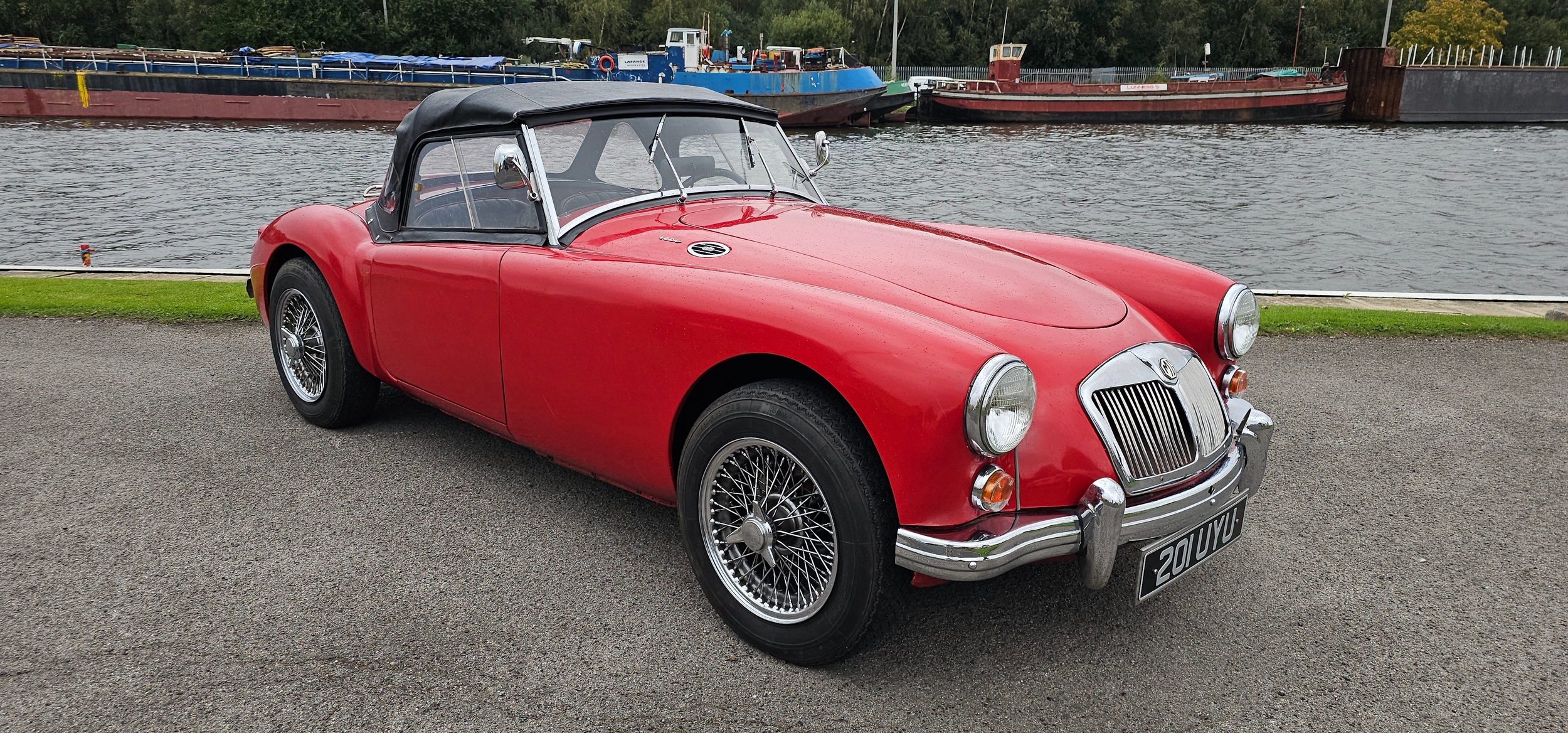
The MGA (1955–1962) is MG's first modern sports car, the pretty full-width body that replaced the T-Type's pre-war look, and our three sold results lay the market out cleanly: £7,400 for a left-hand-drive 1600 Mk I, £16,833 for a 1600 coupé, and £42,750 for a Twin Cam roadster. Variant and steering position, more than year, decide the money.
Know your versions
Four pushrod-adjacent variants and one exotic. The MGA 1500 (1955–1959, 68hp) is the original; the 1600 (1959–1961, 79hp) added front disc brakes and slightly more urge; the 1600 Mk II (1961–1962, 86hp) brought the recessed grille and close to 100mph. All use the durable B-series four. The Twin Cam (1958–1960, 108hp) is the collector's car: a twin-overhead-cam 1.6 with four-wheel disc brakes and centre-lock steel wheels, built in small numbers and troubled in period by piston failures on poor fuel; sorted survivors now command the big premium our £42,750 result demonstrates. Coupés carry their own following, and because so many MGAs were exported new, left-hand-drive cars and RHD conversions are common; our £7,400 LHD result shows the discount an unconverted car takes in the UK.
What to pay
Three sales: £7,400 (1961 1600 Mk I, LHD), £16,833 (1960 1600 coupé), £42,750 (1959 Twin Cam roadster), median £16,833. An active 1600 roadster estimated at £17,000 to £18,000 corroborates the middle of that range. Read the tiers as: LHD and project-adjacent cars from £7,400, sound RHD pushrod cars around £16,833 to £18,000, and Twin Cams in another bracket entirely at £42,750 on our evidence.
What goes wrong
The MGA is body-on-frame, so the chassis matters as much as the panels: check the side rails, the body-mounting points and the front extension for rot and old accident repairs, and remember the body sills are structural to the wood-framed door fit even though the chassis carries the loads. Floors are plywood from the factory and rot invisibly. The B-series engine and gearbox are about as well supported as any classic drivetrain on earth, cheap to rebuild and hard to kill; kingpins and lever-arm dampers wear and are routine fixes. The Twin Cam is its own discipline: it needs correct fuel, careful ignition timing and an owner who understands its history of holed pistons, and originality of engine and centre-lock hubs is where its value lives. On any car, verify claimed RHD conversions were done properly and check the identity chain, because values now justify creativity.
Our view
A sound pushrod MGA around our £16,833 median is one of the best-supported fifties sports cars you can own: every part is available, the club scene is enormous, and it will keep running as a classic for as long as anyone bothers. The 1600 with its disc brakes is the usable pick. The Twin Cam at £42,750 is for collectors who know exactly what they are buying, and the £7,400 LHD route is the clever entry if originality matters more to you than which side the wheel is on.