Mini Cooper Buyer's Guide
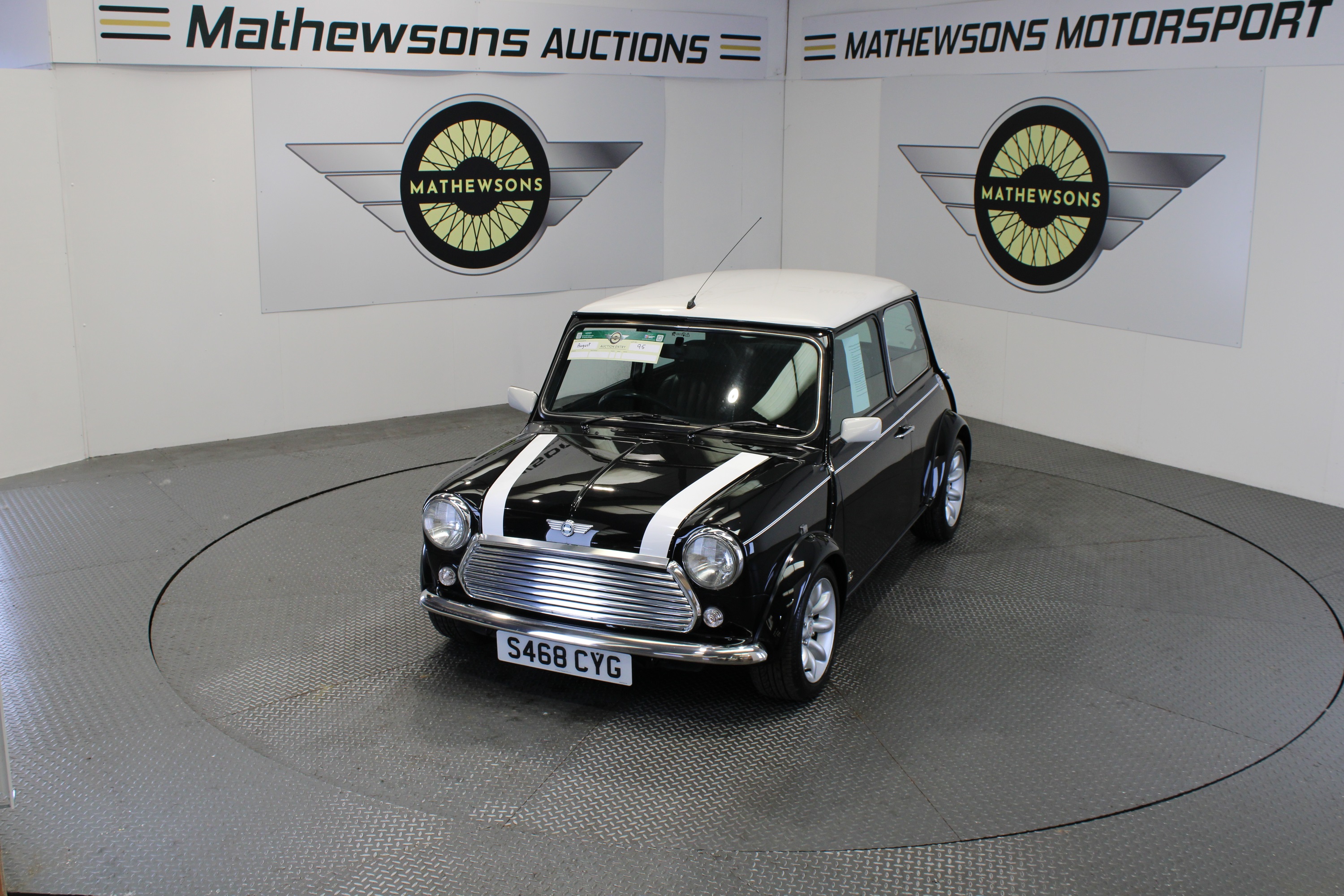
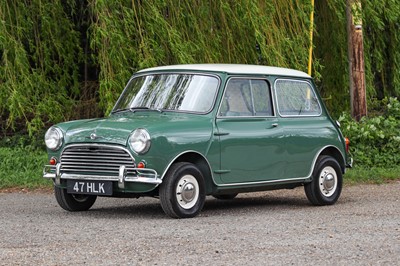
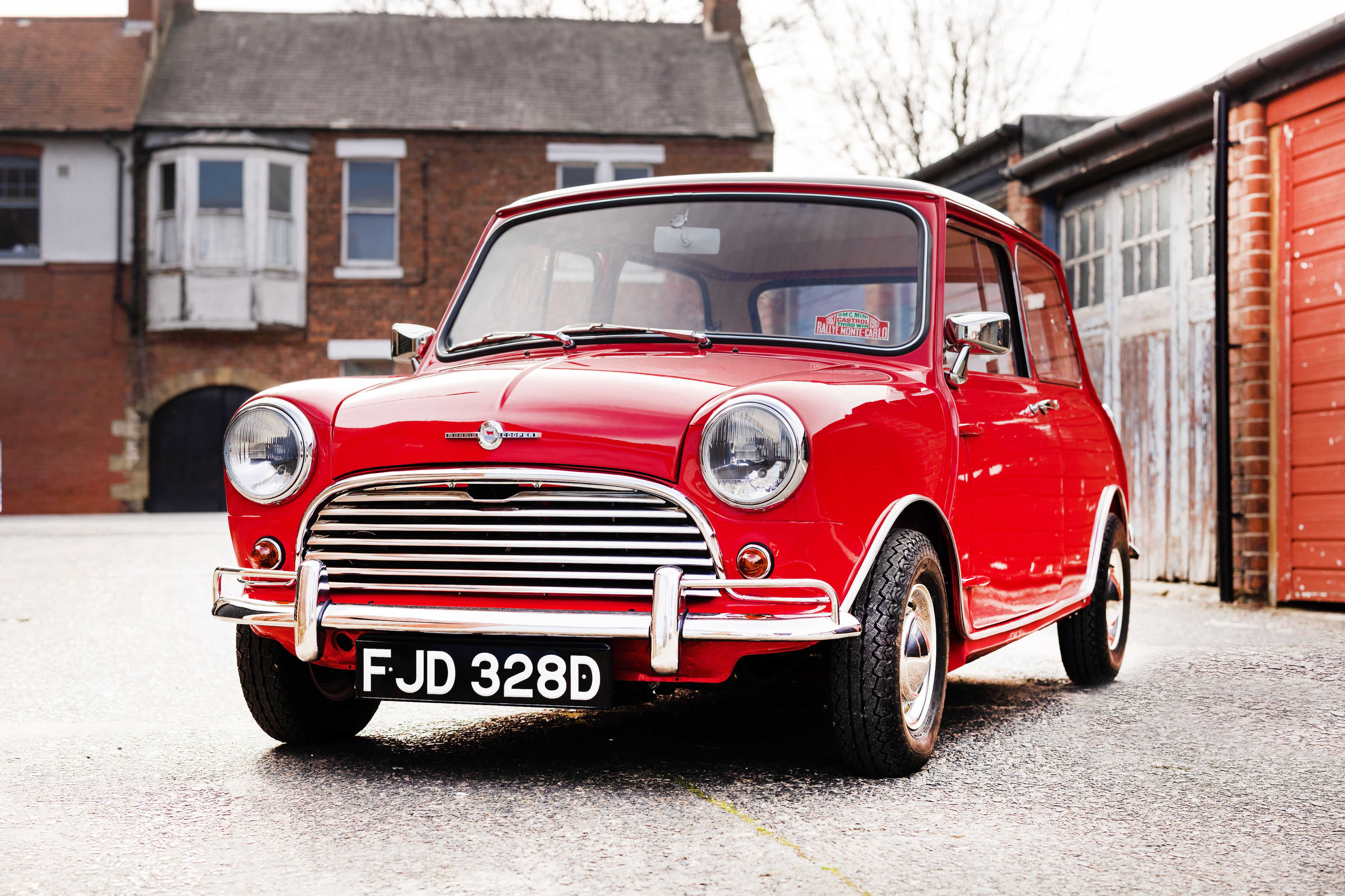
Six tracked Mini Cooper sales, £500 to £29,000, median £15,402, with four more live as we write. Ignore the floor: our £500 result was a bare shell, not a car. The real market starts in five figures, because the classic Cooper trades on identity above all else. Genuine sixties Coopers and Cooper S examples lead by a wide margin, and a Mini's value can multiply or collapse on the strength of its chassis number.
What to pay
£500 bought a shell, and shells are what the bottom of this market contains. The serious money begins around our £15,402 median, which buys sound, verified Coopers in usable order. From there to our £29,000 ceiling the market is paying for genuine sixties cars, originality and documentation. Interpolate with care: a car priced between our median and ceiling without watertight identity evidence is priced on hope.
What goes wrong
Verification first, metal second. Cooper replicas built from ordinary Minis are common and often well executed, so check heritage certificates, chassis and engine numbers and ownership history before anything else; the difference is most of the money. Then rust, which a Mini grows in every seam: front and rear subframe mounts, sills, floors, A-panels, door steps, scuttle and the seams themselves, which trap water by design. The A-series engine and gearbox-in-sump drivetrain are simple and completely supported; parts supply, from panels to trim, is about the best of any classic.
Our view
Buy the identity, then the shell, then the car. A verified Cooper at our median is a sound hold with the best parts and club support in the business; an unverified one is an ordinary Mini with expensive badges. The genuine sixties cars have already gone up and stayed up, and the supply of real ones is not growing.