Peugeot 205 Buyer's Guide
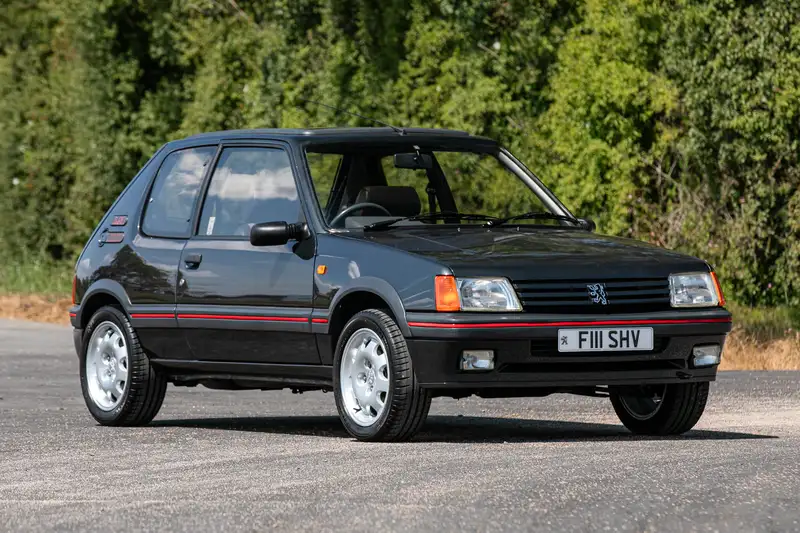
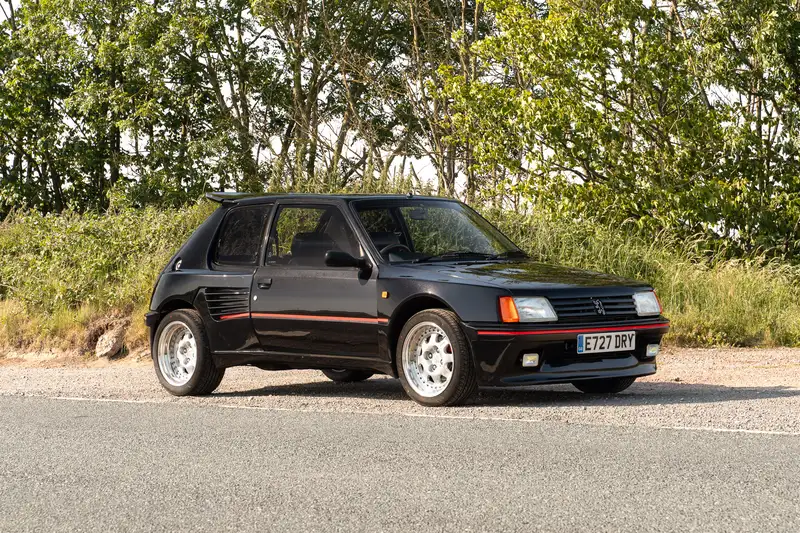
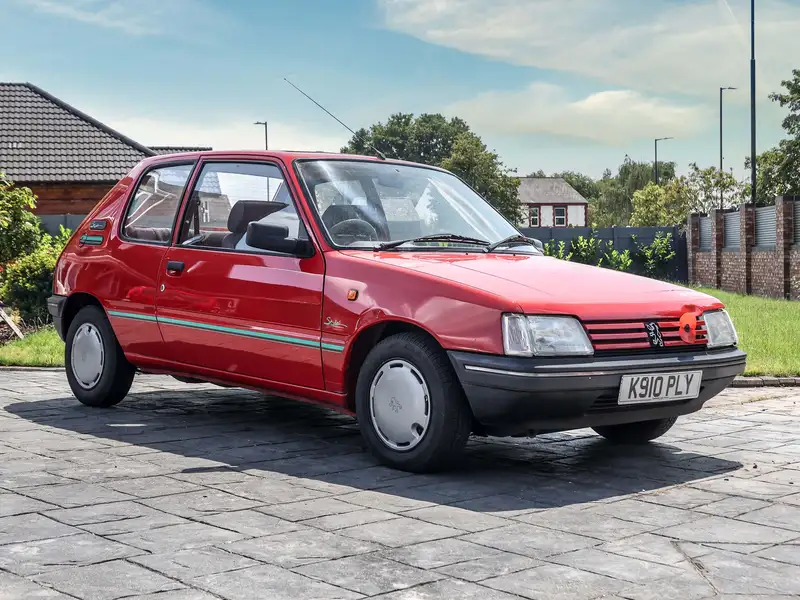
Five tracked 205 sales, £1,600 to £12,938, median £4,500, with three more live as we write. The GTI versions lead the range, as they have since the market decided the 205 was the car that defined the French hot hatch era, and the eightfold spread between floor and ceiling is the gap between a tired shopping car and a preserved one.
What to pay
£1,600 to £3,000 buys the ordinary end: higher-mileage cars, the lesser engines, and examples carrying the modifications and neglect of cheap-car decades. Around our £4,500 median sit honest, usable cars with reasonable history. From there to our £12,938 ceiling the market is paying for one thing above all: unmodified originality. A standard car with its original wheels, interior and paint is the premium commodity, because for twenty years almost every 205 that mattered was lowered, thrashed or both. With three live lots, the supply is steady rather than generous.
What goes wrong
Rust decides everything: sills, wheel arches and the scuttle are the established corrosion points, and the scuttle in particular hides its progress until the bill is written. A visually tidy car can still fail on its underside, so photographs of the sills matter more than photographs of the seats. Mechanically the XU-family engines are durable and well understood, and the parts situation remains workable through specialists and the owner community. The real scarcity is not parts but unmolested cars to fit them to.
Our view
Buy the most original 205 the budget allows and accept a smaller engine before accepting a modified car; originality is the only attribute this market consistently rewards. A standard car near our median is the value position, with the best examples already commanding ceiling money and unlikely to retreat. Sills first, service history second, specification third.