Rover P6 Buyer's Guide
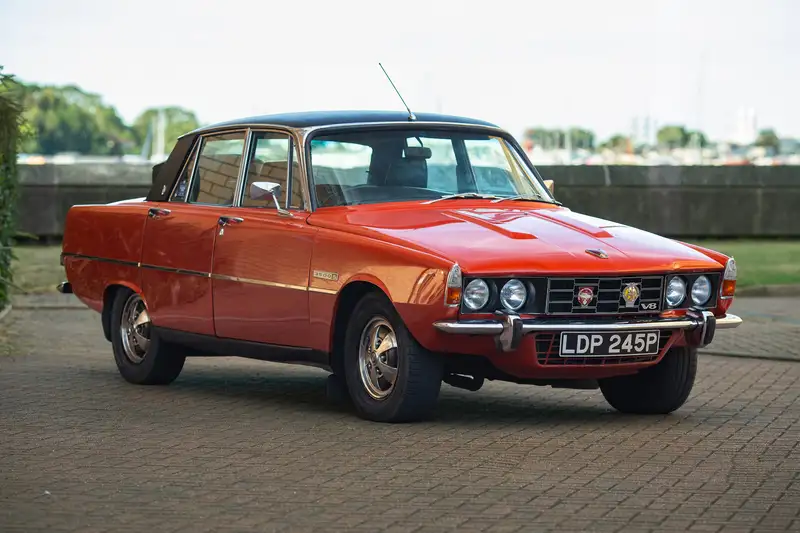
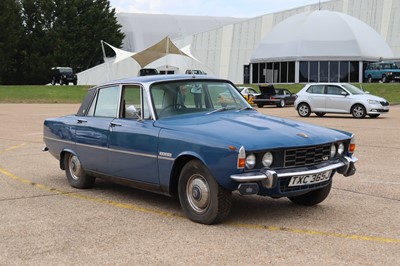
Four tracked P6 sales, £1,540 to £5,220, median £2,825, with one more live as we write. The 2000 and 3500 were the most technically advanced British saloons of their day, built around a skeleton base unit with unstressed bolt-on panels, and the market has never quite caught up: this is sixties engineering ambition at everyday-classic money.
What to pay
£1,540 to £2,500 buys running cars needing work, where the base unit's condition decides whether the price is a bargain or a trap. Around our £2,825 median sit honest, usable saloons, mostly the four-cylinder 2000s that carried the volume. From there to our £5,220 ceiling the money is buying the V8-engined 3500, the pick of the range, in solid, documented order. Values are gentle across the board, which makes condition cheap to buy and expensive to ignore.
What goes wrong
The base unit is the purchase, and the P6's construction actively hides its own condition: the bolt-on outer panels can look immaculate over rotten inner sills and structural rails beneath. Lift the sill covers and inspect the skeleton, because a shiny P6 tells you nothing until you have. The 2000's four-cylinder is robust; the 3500's Rover V8 is one of the best-supported engines in the classic world, with parts availability that borders on unfair. Club support is genuinely strong, and most consumables remain obtainable and affordable.
Our view
The 3500 is the car to have: the V8's parts supply and durability give it the best odds of still running in thirty years, and at our ceiling it remains cheap for what it is. Buy on the inner structure, not the panels, and let the club networks handle the rest. Gentle values mean the P6 rewards owners rather than speculators, which is arguably the better deal.