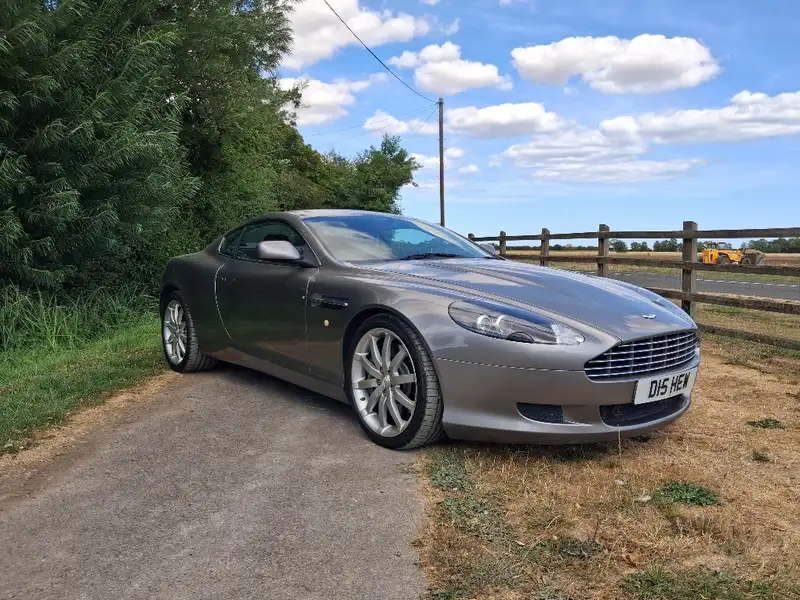
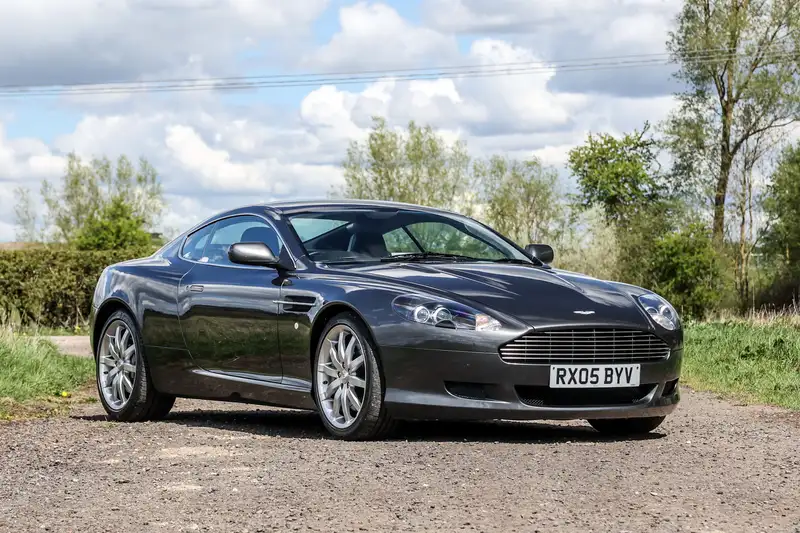
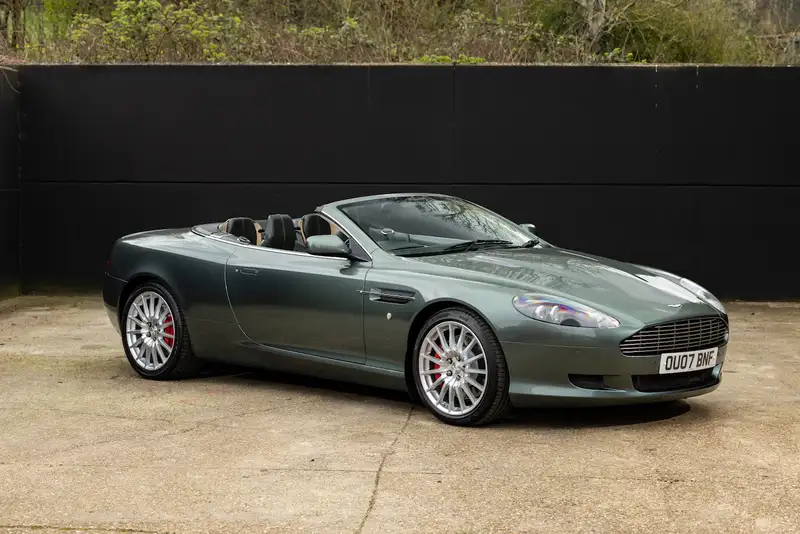
Aston Martin DB9 Buyer's Guide
Four tracked DB9 sales, £20,764 to £48,375, median £23,063, with three more live as we write. The shape of the figures is the story: the floor and the median sit within £2,300 of each other, which is a market still behaving like a used-car market, while the £48,375 ceiling is more than double the median, which is collectibility arriving at the top. The DB9 is mid-transition, and the buyer's job is to work out which side of it a given car sits on.
What to pay
£20,764 to £23,063, floor to median, buys the volume of the market: higher-mileage cars, mixed history, the entry ticket to V12 Aston ownership priced like a well-specified saloon. Above the median the money buys documentation, low ownership and condition, and £48,375, our ceiling, is what the market pays when all three align, typically the best-kept, most original cars. Three live lots is thin supply for a model this significant.
What goes wrong
The V12 itself is robust, but coil packs and the engine electronics are the recurring bills, and twelve of everything means the invoices scale accordingly. On Sportshift-equipped cars the automated clutch is the known wallet item: wear is driving-style dependent and replacement is a four-figure job, so a recent clutch reading or invoice materially changes what a car is worth. Check for tired suspension bushes, and treat any gap in the service history as a negotiation, because deferred maintenance on a DB9 compounds.
Our view
At the entry money this is still a used car, and should be bought with a used car's scepticism and a specialist inspection. The manual-gearbox and best-documented examples are the ones already pulling away towards our ceiling, and they are the hold. A DB9 with a complete file, bought near the median, is one of the great pounds-per-occasion propositions in our records.