Ford Mustang Buyer's Guide
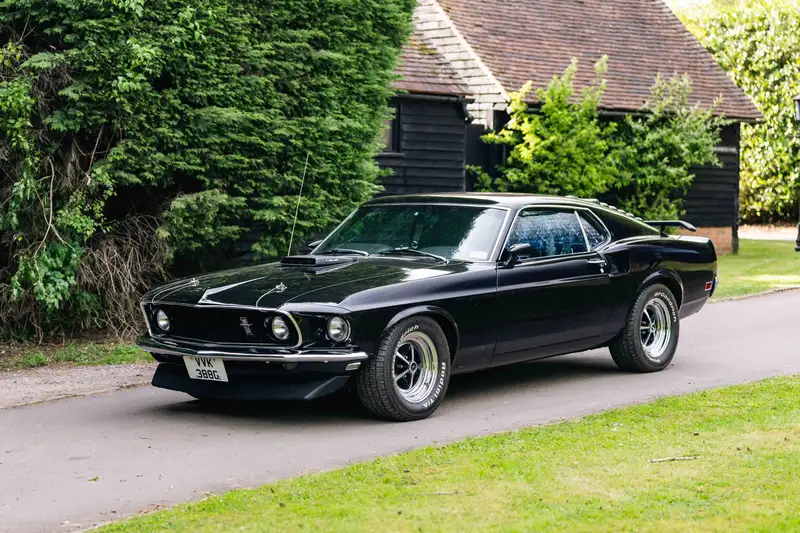
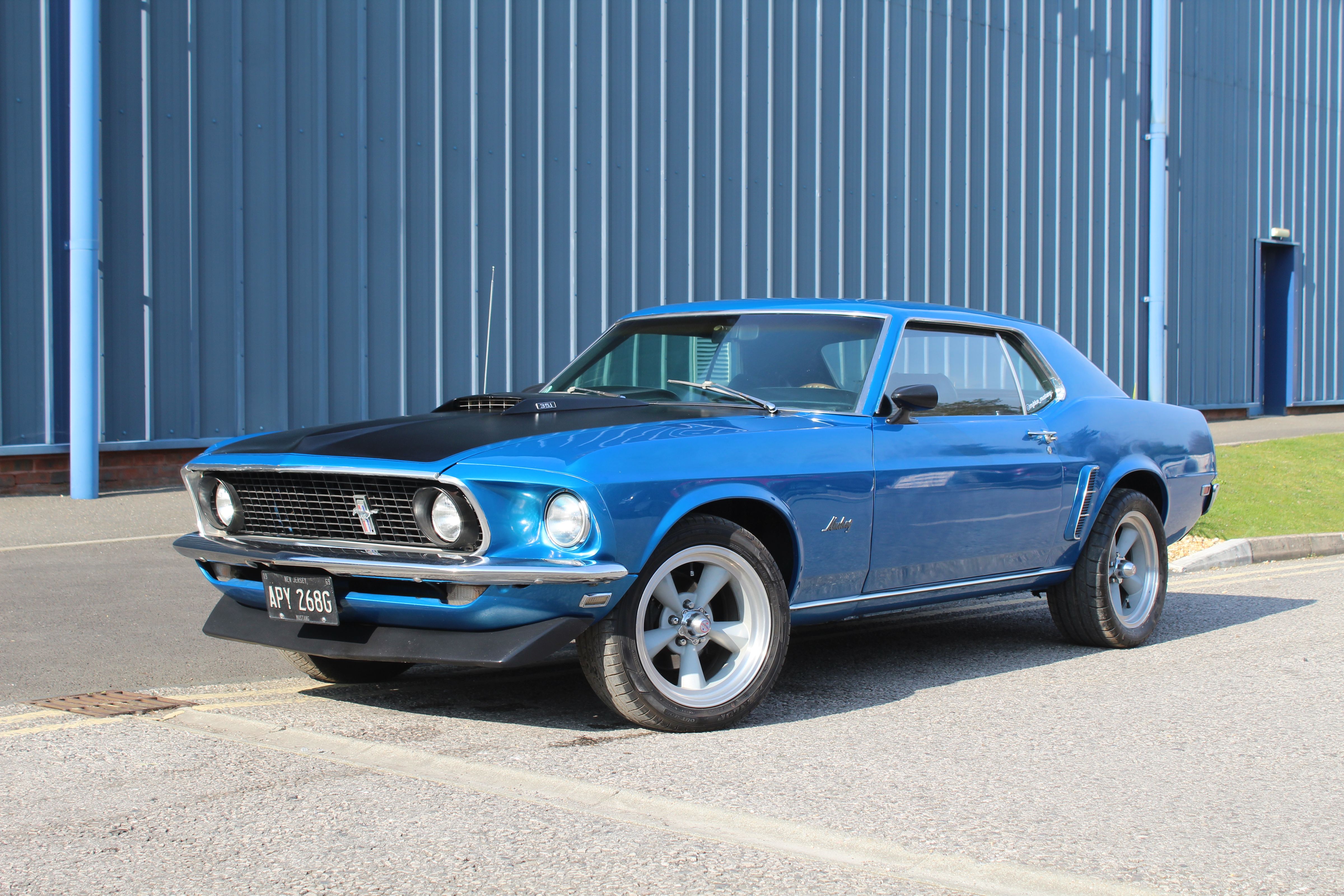
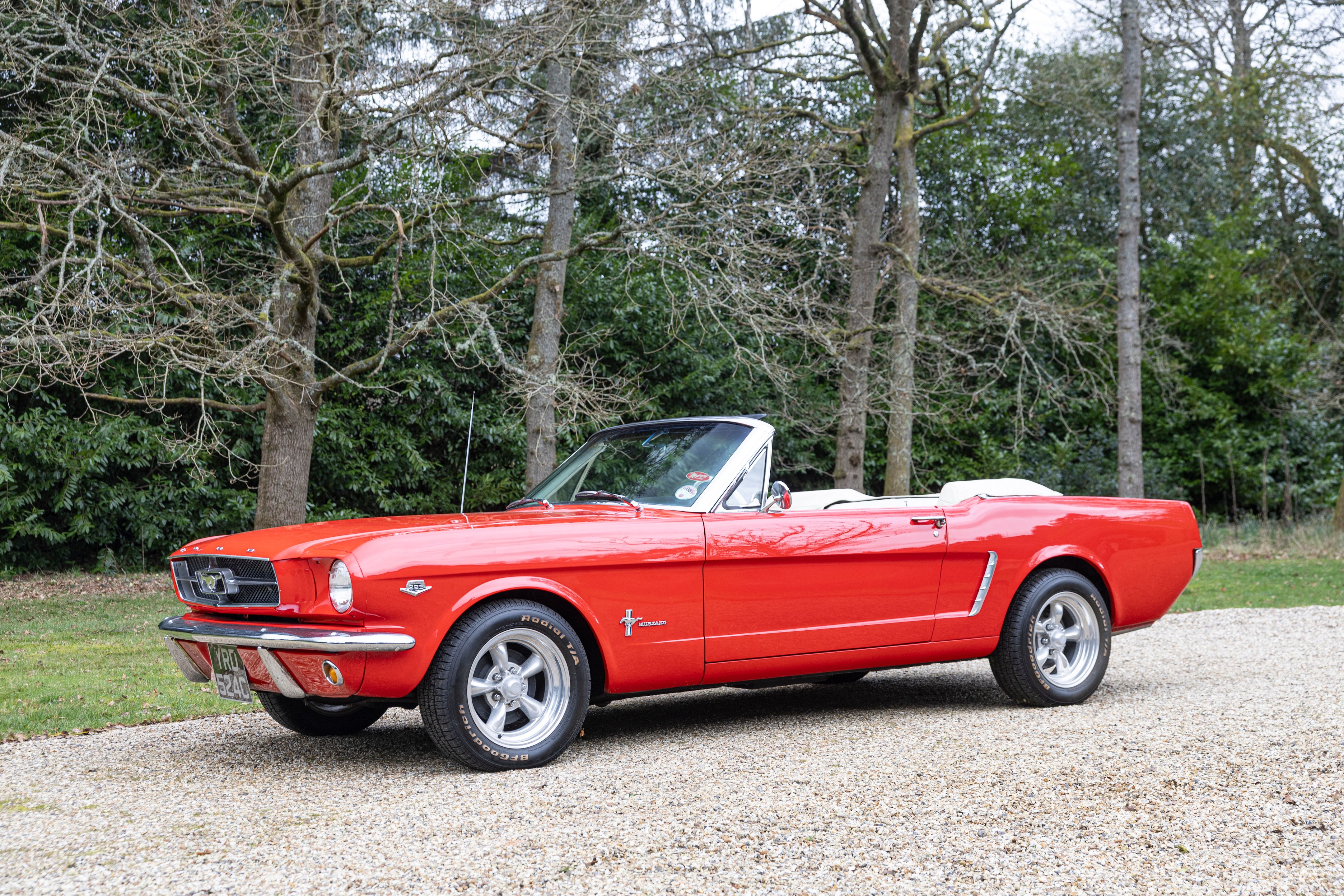
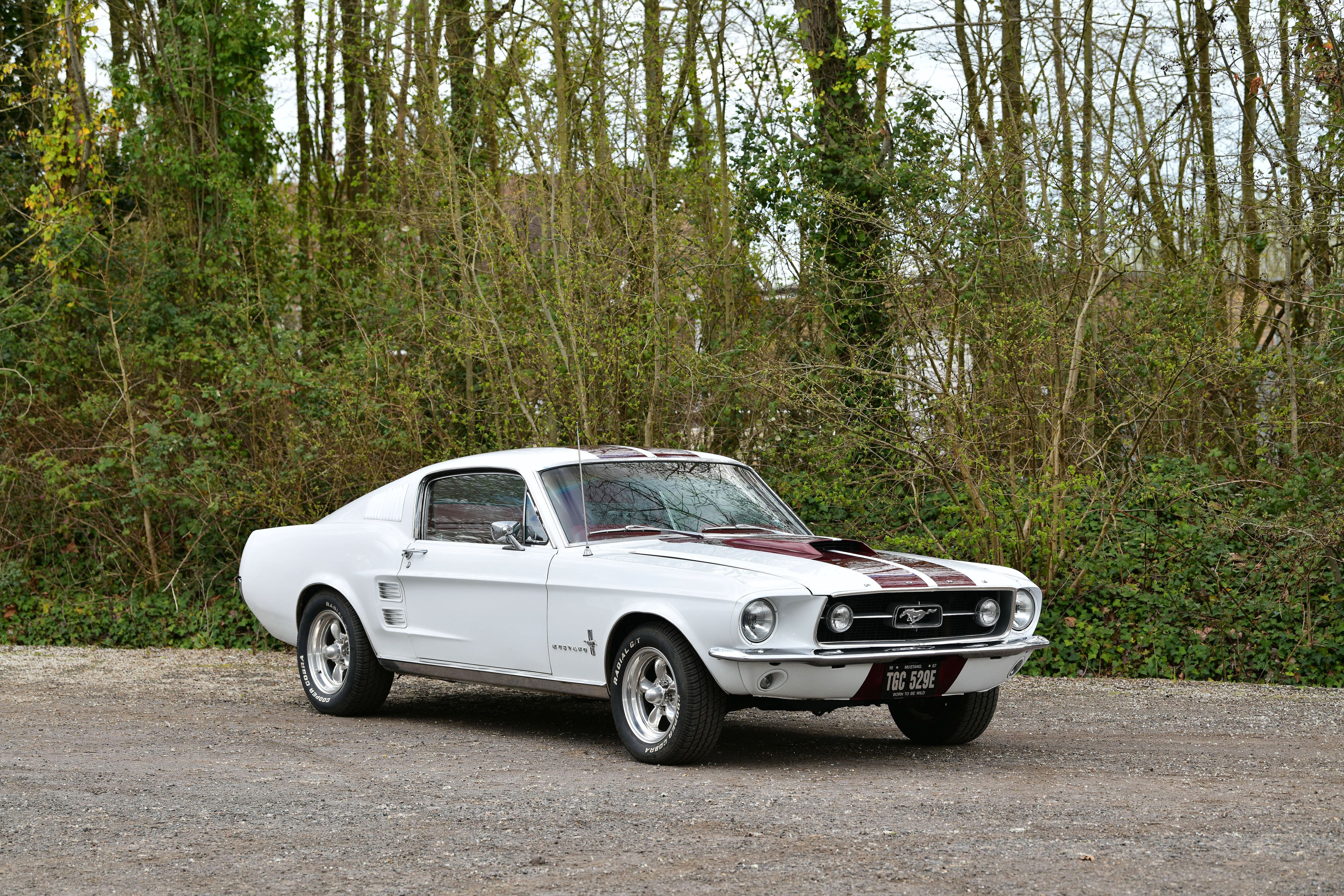
Six tracked Mustang sales, £20,000 to £64,688, median £28,725, with sixteen live as we write: the strongest active supply of any American car in our records. The UK auction market here is classic imports, overwhelmingly left-hand drive, and the money follows the V8s. What separates a £20,000 car from a £64,688 one is less specification than biography: which state it came from, and what the underside proves about it.
What to pay
£20,000 to £25,000 buys presentable drivers, typically the smaller-engined cars or V8s with cosmetic needs and thinner paperwork. Around our £28,725 median sits the sensible purchase: a straight V8 car with import documentation in order and evidence of dry-state origins. From there to the £64,688 ceiling the market pays for the desirable early cars, correct drivetrains and quality restorations; the best examples carry their history in a folder as thick as the workshop manual.
What goes wrong
Rust is the inspection, and salt-state cars are the trap: floors, torque boxes, cowl vents, shock towers and rear frame rails rot from the inside, and a shiny repaint over a rotten shell is the classic import failure. Insist on underside photographs and check the import and registration paperwork is complete before bidding. Mechanically the V8s are about as durable and rebuildable as engines get, with parts supply from the American aftermarket that shames most European classics; nothing bolted to a Mustang is expensive by classic standards.
Our view
Buy the shell, not the shine: a dry-state V8 at our median is a better car than a glossy salt-state example at any price. Parts supply, club support and simple engineering make this one of the easiest classics to keep running indefinitely. The only expensive Mustang is the one that lied about its floors.