MG Midget Buyer's Guide
Eight tracked Midget sales between £620 and £5,635, median £3,600: nothing else in our records offers a genuine, separate-model sports car this cheaply, and nothing is easier to keep running once bought.
Know your versions
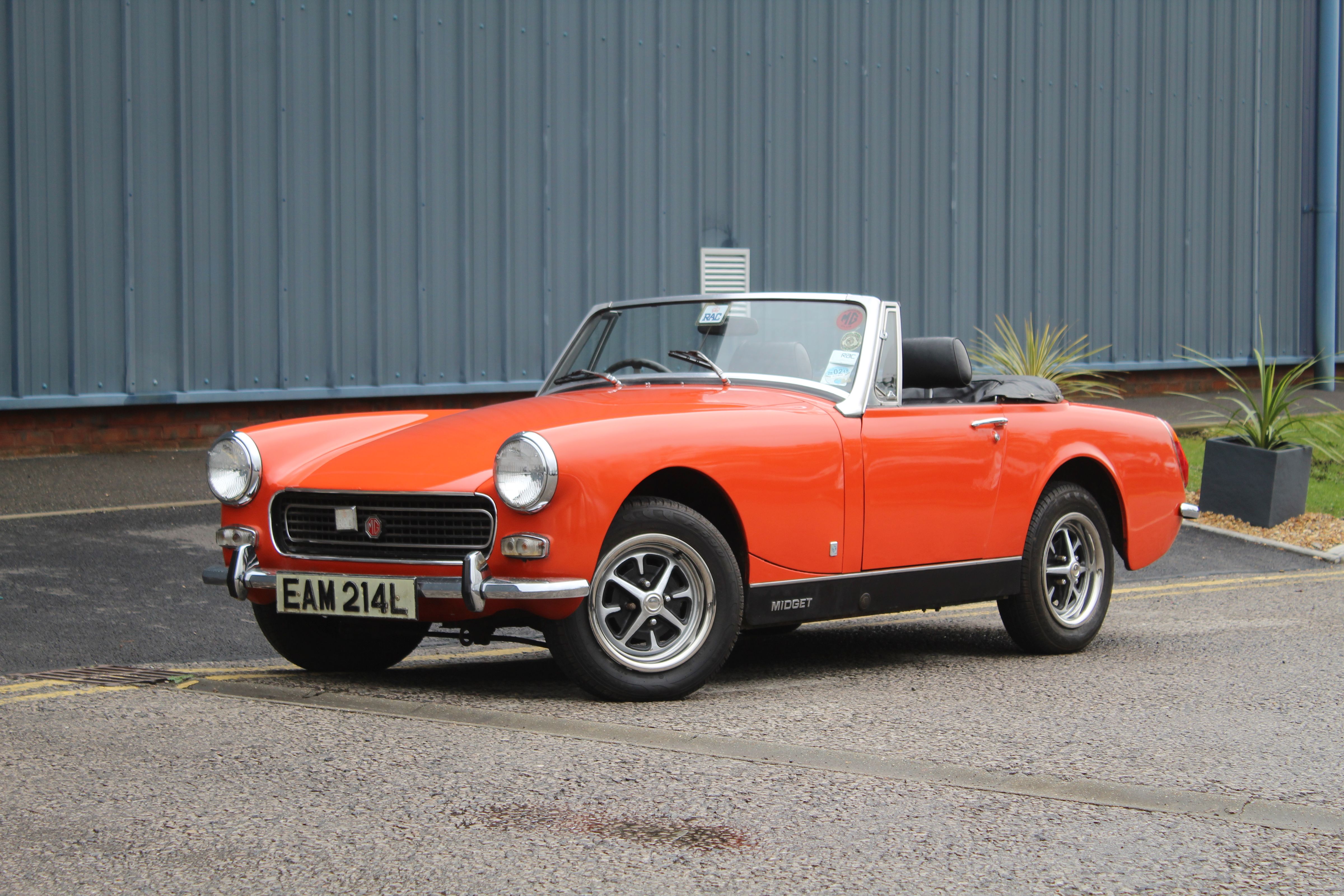
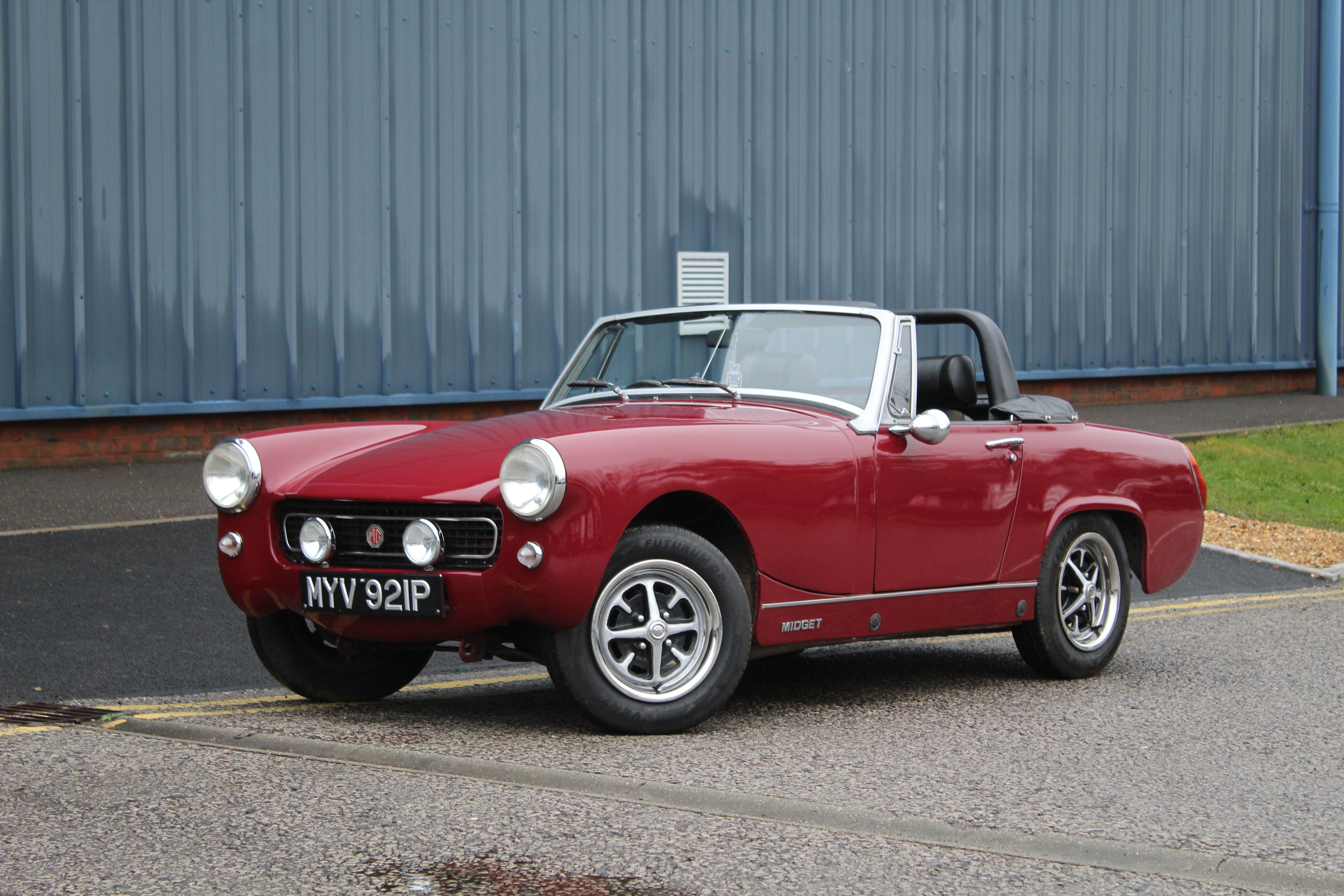
The Midget (and its Austin-Healey Sprite twin) ran 1961–79 through four marks. Our sales split across the eras: round-wheel-arch Mk3 cars (1967–72, £620 to £4,612, median £3,600) are the enthusiast's preference, combining the 1275cc A-series with chrome bumpers and the prettiest arches; the 1500 cars (1974–79, £2,562 to £5,635, median £3,900) carry rubber bumpers, raised ride height and the Triumph-sourced 1500 engine, and remain the most affordable and most numerous. Earlier Mk1/Mk2 cars trade as period pieces; a Mk1 in our records made £3,600.
What to pay
£600 to £1,500 is project money, and Midget projects are the gentlest apprenticeship in the hobby. £3,000 to £4,500, around our medians, buys road-legal, usable cars of either era. £5,000 to £7,000 buys the best: restored round-arch 1275s lead, with concours cars modestly above our range nationally.
What goes wrong
Structure, as with every small BMC sports car: sills (structural), floors, spring boxes, rear arches and front wings. Every repair section is remanufactured cheaply, and the whole car can be serviced with a basic toolkit on a driveway. The 1275 A-series is the sweeter, revvier engine; the 1500 wants its thrust washers checked (the one specific known fault worth naming) but offers more torque. Nothing on a Midget costs serious money except paint and a professional's welding time.
Our view
The round-arch 1275 at £3,500 to £5,000 is the pick: the classic silhouette, the better engine and the stronger following, in a car small enough to share a garage with real life. As a first classic or a first restoration it rivals the Morris Minor, with the addition of actual sportiness. Buy on sills and floors, budget a weekend a month, and enjoy the least expensive proper roadster ownership our data contains.