Porsche 924 Buyer's Guide
Three tracked 924 sales, £1,300 to £34,500, median £5,625, with two more live as we write. Read the ceiling carefully: £34,500 was an exceptional car and an outlier, not the market. The working range for the 924 is the floor to somewhere above the median, which keeps it exactly what it has always been: the cheapest way into a transaxle Porsche, the balanced front-engine, rear-gearbox layout the 944 and 928 made famous.
What to pay
£1,300, our floor, buys projects and cars trading on optimism, where the recommissioning list will outrun the purchase price. Around £5,625, our median, buys the honest usable cars: driving examples with history, presentable rather than perfect, which is where most 924 money should go. Our £34,500 top result is what an outstanding, likely exceptional example can achieve, and it is best treated as proof of headroom rather than a comparable. Two live lots means patience is part of the purchase.
What goes wrong
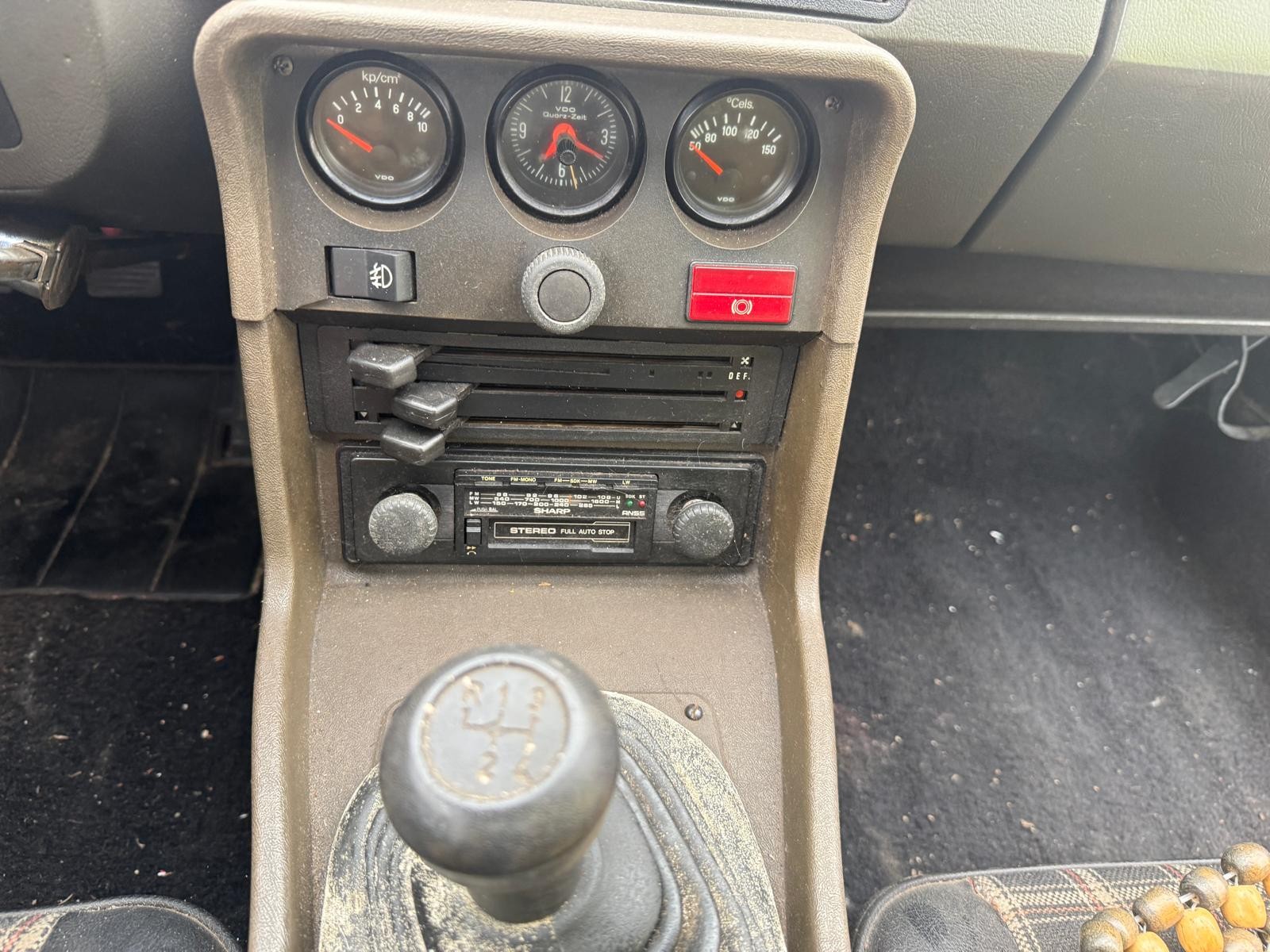
The timing belt service is critical: the four-cylinder engines are interference designs, a snapped belt means bent valves, and the belt and tensioner interval must be evidenced in the file, not assumed. Later shells were galvanised, which makes them far more rot-resistant than the early cars; on pre-galvanised examples check sills, floors and the battery tray with real suspicion. Fuel lines and injection components age, clutches are engine-out money because of the transaxle layout, and the interiors are brittle but available. Parts supply through the Porsche and specialist network remains strong.
Our view
Buy a galvanised-shell car with a documented belt service and the 924 is one of the cheapest genuinely engineered classics available. The median is the value point; the outlier result shows where the very best are already heading. A car this usable at this money will not stay overlooked indefinitely.